

A successful World tour planning process starts with understanding how to calculate a realistic budget. Many travelers underestimate costs or overlook small expenses that add up over time.
This often leads to stress, early trip endings, or compromises in experience quality. That is why building a clear financial framework is essential before booking anything. The first step in World tour planning is identifying your travel duration and overall goals.
A three month journey across a few countries will have very different costs compared to a one year global adventure. Budgeting is not only about how much money you have, but also about how efficiently you plan to use it. Another key factor is your travel style.
Budget travelers may rely on hostels, street food, and public transport, while others may prefer hotels, restaurants, and flights between cities. These choices directly impact daily expenses and overall financial sustainability. Understanding your priorities helps you create a budget that aligns with your expectations.
A realistic budget also requires breaking down all cost categories. Flights, accommodation, food, activities, insurance, and emergency funds must all be included. Ignoring even one of these can lead to inaccurate planning.
That is why World tour planning should always involve detailed research and conservative estimations. When done correctly, budgeting becomes a powerful tool rather than a limitation. It allows you to travel longer, explore more destinations, and enjoy the journey without financial anxiety.
World Tour Planning Budget Basics: Trip Length, Route, And Travel Style
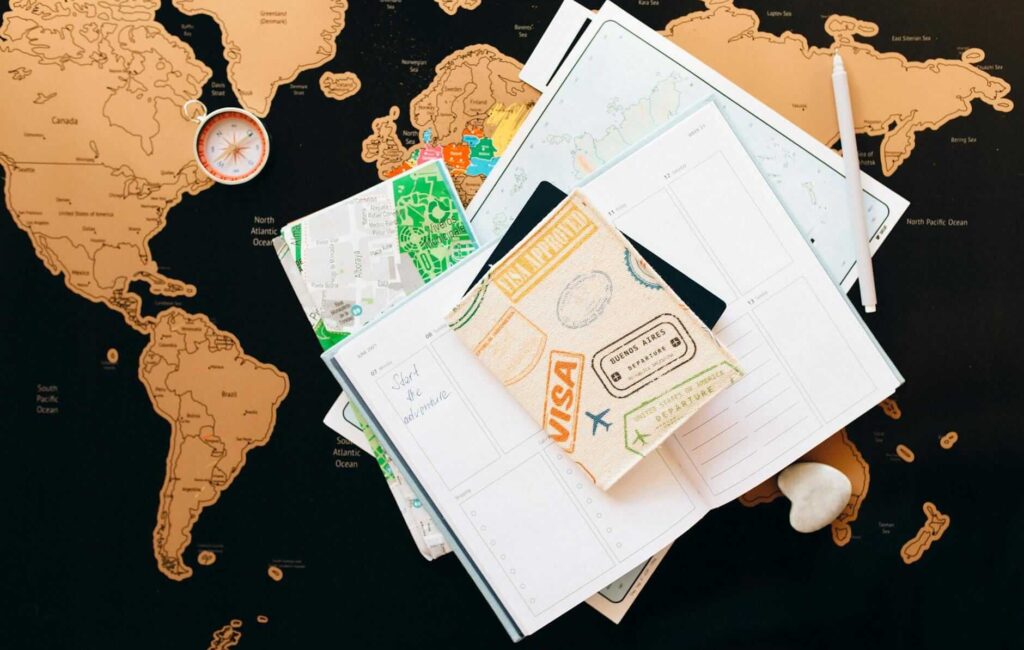
At the core of every World tour planning strategy lies a clear understanding of budget fundamentals. The three main variables that shape your budget are trip length, route, and travel style. These elements determine how much you will spend daily and overall.
Trip length is the most straightforward factor. The longer you travel, the higher your total cost will be. However, longer trips often allow for slower travel, which can reduce daily expenses. Staying longer in one place usually means lower accommodation rates and less frequent transport costs.
Route planning is equally important. Traveling through Southeast Asia, Eastern Europe, or South America is generally more affordable than Western Europe or North America. A smart World tour planning approach involves mixing expensive and affordable regions to balance the budget.
Travel style defines how you experience each destination. Budget travelers may spend 30 to 50 dollars per day, while mid range travelers might spend 70 to 120 dollars. Luxury travelers can easily exceed 200 dollars daily. Being honest about your preferences helps avoid unrealistic expectations.
By combining these three factors, you can estimate your baseline budget. This forms the foundation of your World tour planning process and guides all future decisions.
World Tour Planning Transport Costs: Flights, Trains, Buses, And Local Travel
Transport is one of the largest expenses in any World tour planning process. International flights, regional travel, and local transportation all contribute significantly to your budget. Planning these costs carefully can save a substantial amount of money.
Flights are usually the biggest cost. Booking early, being flexible with dates, and comparing multiple routes can help reduce expenses. Round the world tickets or multi city bookings can also be useful depending on your itinerary.
For regional travel, trains and buses are often more affordable than flights. In Europe, trains are efficient but can be expensive without passes. In Asia and South America, buses are usually the most budget friendly option. Choosing the right mode of transport for each region is a key part of World tour planning.
Local transport is often overlooked but adds up quickly. Using public transport, walking, or renting bicycles can significantly reduce daily costs. Avoiding taxis and ride sharing services whenever possible is another effective strategy.
A well planned transport system ensures that your World tour planning budget remains balanced while still allowing flexibility and comfort.
Accommodation Strategy: Hostels, Long Stays, And Cutting Nightly Costs
Accommodation is the second major expense in World tour planning, and optimizing this category can greatly extend your travel duration. There are several strategies to reduce nightly costs without sacrificing comfort.
Hostels are one of the most popular options for budget travelers. They offer affordable beds and opportunities to meet other travelers. Private rooms in hostels can also be a middle ground between cost and privacy. Long stay discounts are another effective method.
Booking weekly or monthly stays through platforms like Airbnb can significantly lower the average nightly rate. This is especially useful for digital nomads or slow travelers. Alternative options such as house sitting, volunteering, or couchsurfing can even eliminate accommodation costs entirely.
These methods require more planning but can be very rewarding. Choosing the right accommodation strategy is a critical step in World tour planning, as it directly impacts both your budget and overall experience.
Daily Spending Control: Food, Activities, Visas, Data, And Small Extras
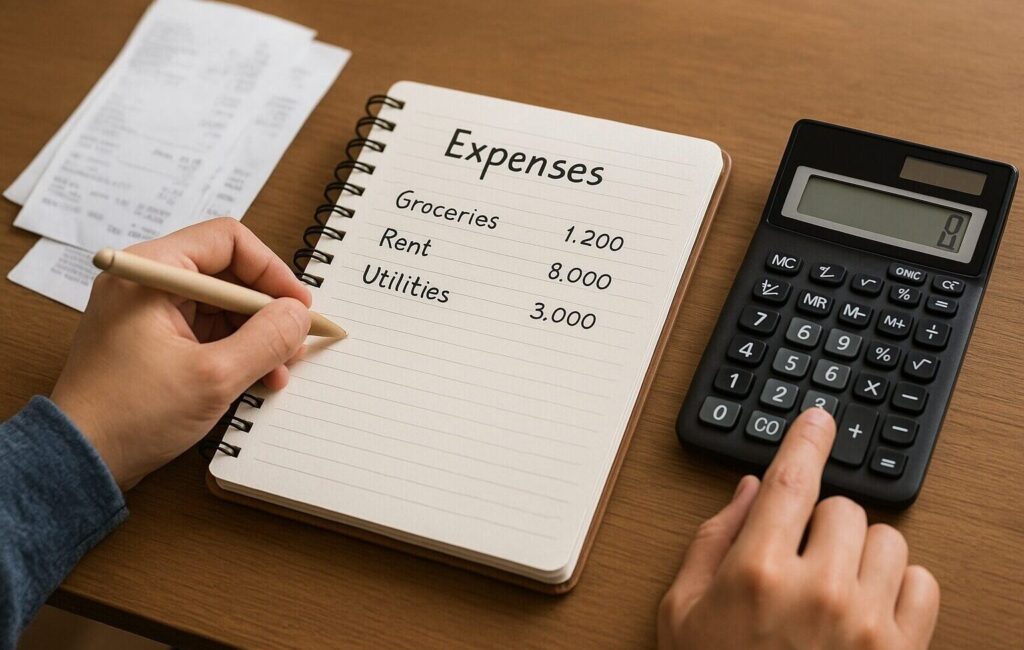
Daily expenses may seem small, but they play a major role in World tour planning. Controlling these costs ensures that your budget lasts throughout the journey. Food is often the largest daily expense. Eating at local restaurants or street markets is usually much cheaper than dining in tourist areas.
Cooking your own meals occasionally can also help reduce costs. Activities such as tours, attractions, and entertainment can quickly add up. Prioritizing experiences and looking for free or low cost options is a smart approach.
Many cities offer free walking tours, museums with discounted entry days, and public attractions. Data and connectivity are essential for modern travelers. Using local SIM cards or eSIM services is far more affordable than international roaming.
This small decision can save a significant amount over time. Visa fees and small extras such as tips, snacks, and transportation tickets should not be ignored. These hidden costs are often underestimated in World tour planning, but tracking them helps maintain financial control.
World Tour Planning Safety Buffer: Emergency Funds, Insurance, And Currency Risk
No matter how detailed your World tour planning is, unexpected situations can arise. That is why having a safety buffer is essential for a stress free journey. An emergency fund should cover at least a few weeks of travel expenses.
This fund can be used for medical emergencies, last minute flights, or unexpected changes in plans. Keeping this money separate from your main budget is a good practice. Travel insurance is another crucial component.
It protects you from high medical costs, lost luggage, and trip cancellations. While it may seem like an extra expense, it can save thousands of dollars in critical situations. Currency fluctuations also affect your budget. Exchange rates can change during long trips, impacting your spending power.
Monitoring rates and using multi currency cards can help manage this risk. A strong safety buffer ensures that your World tour planning remains flexible and secure, allowing you to focus on enjoying the journey rather than worrying about finances.
See you in the next post,
Anil UZUN