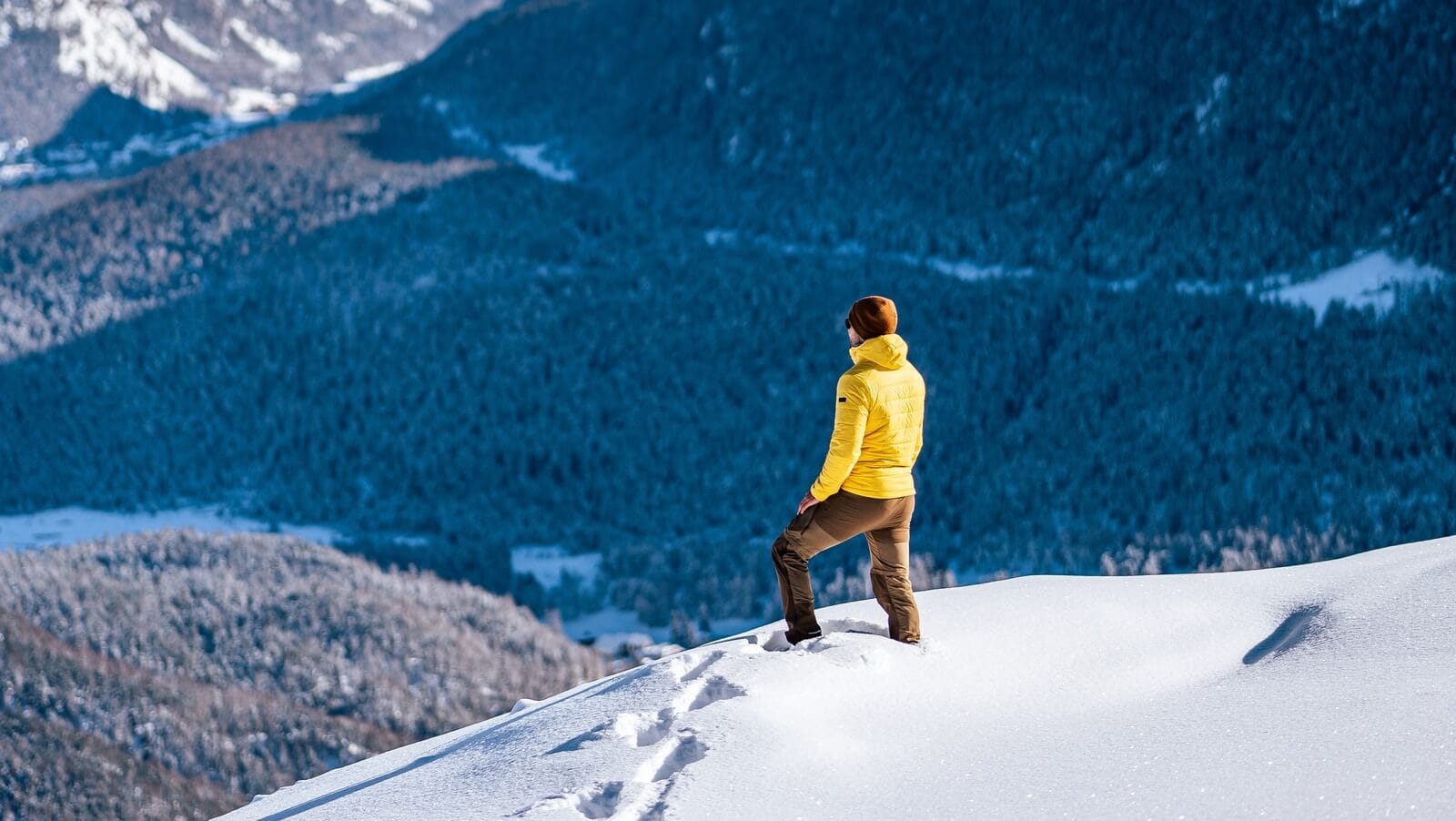

An Alps ski vacation is one of the best winter trips you can plan in Europe because it combines world-class slopes, beautiful mountain towns, and a huge variety of resort styles. Whether you want a calm family escape or a high energy ski week with long runs and après ski, the Alps offer options for every travel mood.
The key is planning the right season, picking a resort that matches your level, and booking accommodation that keeps your daily routine simple. When these three things work together, your Alps ski vacation becomes more comfortable, more affordable, and much more fun.
Best Time For An Alps Ski Vacation: Snow Conditions, Prices, And Crowd Levels
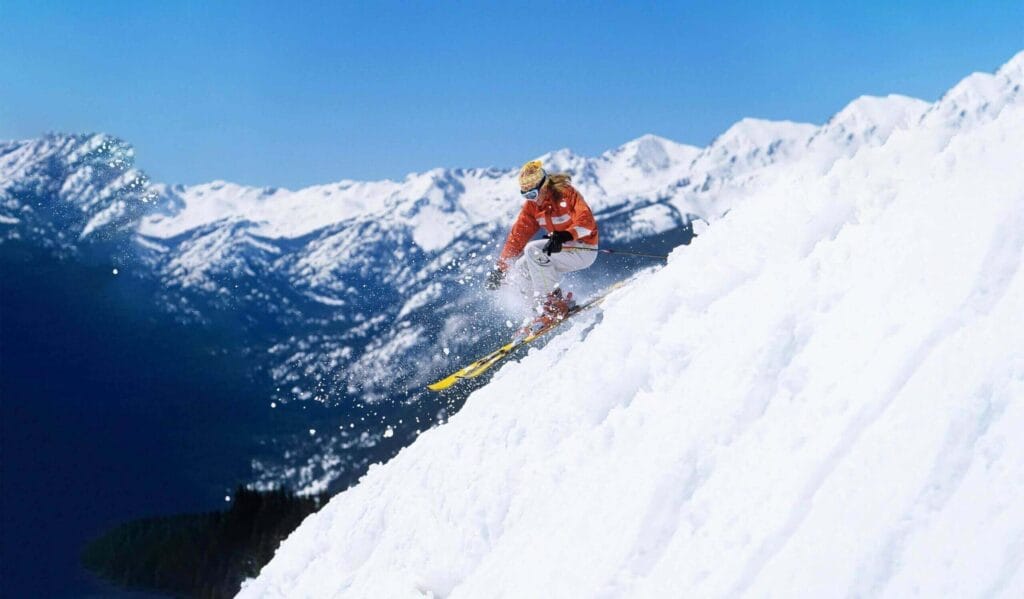
Season timing changes the entire character of an Alps ski vacation. Early December can be quieter and occasionally cheaper, with charming village energy and fewer queues. The tradeoff is lower snow reliability at lower elevations, so higher altitude resorts and strong snowmaking matter more.
Late December is peak demand. Holiday weeks deliver full resort operations, festive events, and plenty of après ski, but prices rise and popular areas feel crowded, especially on beginner zones and main connecting lifts.
If you want this period, booking early is the difference between choice and compromise. January is often the best value. After the holidays, crowds drop, temperatures stay cold, and piste conditions can be excellent. Many travelers choose January for an Alps ski vacation that feels premium without premium pricing.
February usually offers the most dependable snow base and full terrain access, but school holiday weeks in several countries can drive up crowds. If you plan February, check the holiday calendar and aim for quieter dates.
March brings longer daylight and a more comfortable feel on the mountain. Mornings can be firm and fast, while afternoons soften into spring snow. Late season trips are safest in higher, north facing areas where snow holds longer. If you are booking late, prioritize altitude over hype to keep your Alps ski vacation consistent.
Choosing The Right Resort: Beginner Friendly Areas Vs Advanced Terrain
Resort choice is the most important decision in an Alps ski vacation because terrain shapes confidence and enjoyment. Beginners should look for wide, gentle pistes, clear signage, easy lifts, and a strong ski school.
Resorts with dedicated beginner zones help you practice without fast traffic cutting through, and short repeatable runs accelerate progress. Intermediates usually want variety and flow. Long blues for rhythm, reds for growth, and multiple sectors so each day feels different.
A connected area can be a big advantage, but only if navigation is simple and you do not spend the day stuck on bottleneck lifts. For many people, the ideal Alps ski vacation sits in this intermediate zone: enough challenge to improve, enough comfort to stay relaxed.
Advanced skiers may prioritize steep blacks, challenging routes, and high altitude terrain that stays cold. If this is your focus, choose a resort known for serious skiing, not only for size. Also match the village vibe to your habits.
Quiet villages suit early starts and recovery, while lively bases suit social evenings. Alignment here prevents the common problem of a great ski area paired with the wrong atmosphere for your Alps ski vacation.
Alps Ski Vacation Slope Guide: Popular Regions And Must Ski Runs
You do not need a complex plan to ski well, but you do need a daily structure. Start with terrain that matches your level, learn the lift layout, then explore outward. Mornings are usually best for fresh grooming and cleaner snow, especially if you like carving.
Midday often brings more traffic on main connectors, so it can be smarter to move to quieter sectors or take a longer lunch when queues peak. If your Alps ski vacation includes a large connected domain, plan one exploration day with a clear loop and a conservative turnaround time.
Lifts can slow late in the day, and last minute transfers add stress. For mixed ability groups, choose simple meeting points and agree on regroup times so everyone can ski their own pace without losing each other.
To make progress, pick one skill focus per day: smoother turns, better speed control, or confidence on steeper pitches. That keeps improvement steady without turning your Alps ski vacation into a training camp.
Where To Stay: Ski In Ski Out Hotels, Chalets, And Apartments Compared
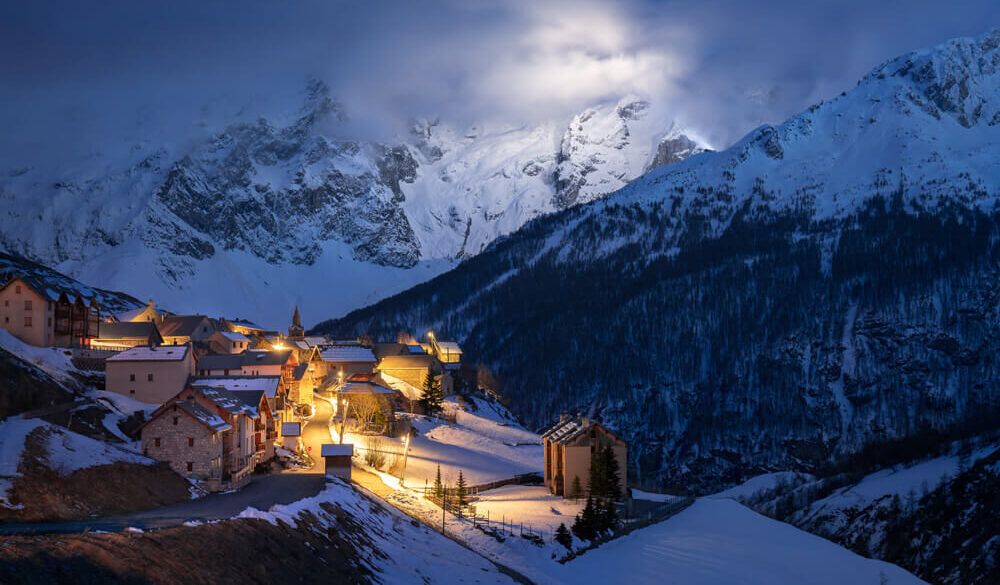
Accommodation decides how easy your mornings and evenings feel on an Alps ski vacation. Ski in ski out hotels offer the most convenience.
You gear up quickly, take breaks without a long walk, and end the day without shuttles. They often cost more, but they also protect your time. Chalets are ideal for groups who want privacy and a classic alpine mood. Shared dinners and relaxed evenings can become the highlight.
The key risk is location. A chalet far from lifts can add daily logistics, so confirm walkability or reliable shuttles. Apartments are flexible and often best for budget control. A kitchen reduces food costs, and extra space helps with drying gear and staying organized.
Whatever you book, check practical details: ski storage, proximity to rentals, access to supermarkets, and whether the walk to lifts is realistic in boots. Those details quietly make or break an Alps ski vacation.
Alps Ski Vacation Planning Tips: Transport, Skipasses, Rentals, And Budget
Plan transport first, because it shapes the rest of your Alps ski vacation. For short trips, choose a resort with simple transfers so you do not lose a full day in transit.
Trains are efficient in many regions, while driving adds flexibility but requires winter readiness. If you drive, confirm parking and whether snow chains are required on your route.
Pack with skiing in mind rather than for fashion. Two base layers, one warm mid layer, and a shell that blocks wind handle most conditions, and you can adjust day by day. Good gloves, goggles with at least two lenses, and sunscreen are not optional because weather changes fast at altitude.
Skipasses can be a major cost. Multi day passes are usually better value than daily tickets, and some areas offer expanded passes that include neighboring zones. Only pay for the bigger pass if you will actually explore.
Book rentals early online for better pricing and better boot selection. Prioritize boot fit above everything, because uncomfortable boots can ruin even perfect snow. Budget beyond lifts and lodging. Add lessons, lockers, mountain meals, snacks, and small extras that show up daily.
A balanced approach works best: enjoy a few mountain lunches, but use supermarkets for breakfast and simple dinners. If you are traveling with non skiers, pick a resort that has winter walks, spas, and easy day trips so everyone feels included.
Finally, manage energy. Altitude, cold, and sun can drain you faster than expected, so hydrate, take breaks, and build recovery into the plan. That is how an Alps ski vacation stays enjoyable from the first chair to the final day.
See you in the next post,
Anil UZUN