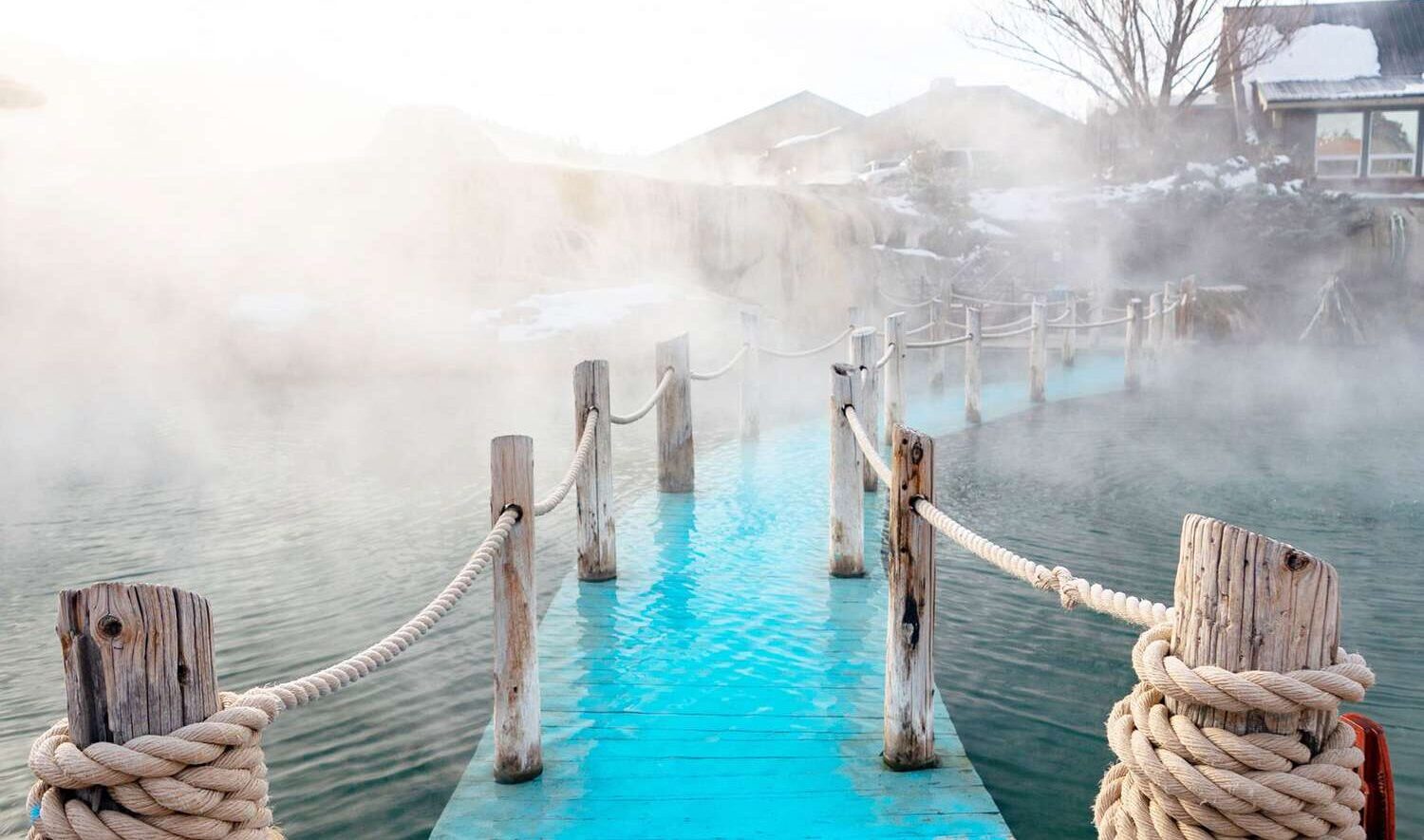

Across every continent, hot springs in the world have long been revered as natural sanctuaries of healing and relaxation. These steaming pools of mineral-rich water emerge from the depths of the Earth, blending breathtaking landscapes with centuries-old wellness traditions.
From Iceland’s ethereal Blue Lagoon to Japan’s tranquil onsens and Italy’s ancient Roman baths, each destination offers its own version of rejuvenation, combining natural beauty with cultural heritage.
Today, travelers seeking to escape daily stress and restore balance are increasingly drawn to these unique destinations. The hot springs in the world are more than just places to soak they represent a deep connection between nature, body, and mind.
Whether you seek therapeutic benefits, adventure, or serene solitude, these geothermal wonders promise an experience that nourishes both the body and the soul.
Hot Springs In The World And Their Unique Healing Properties
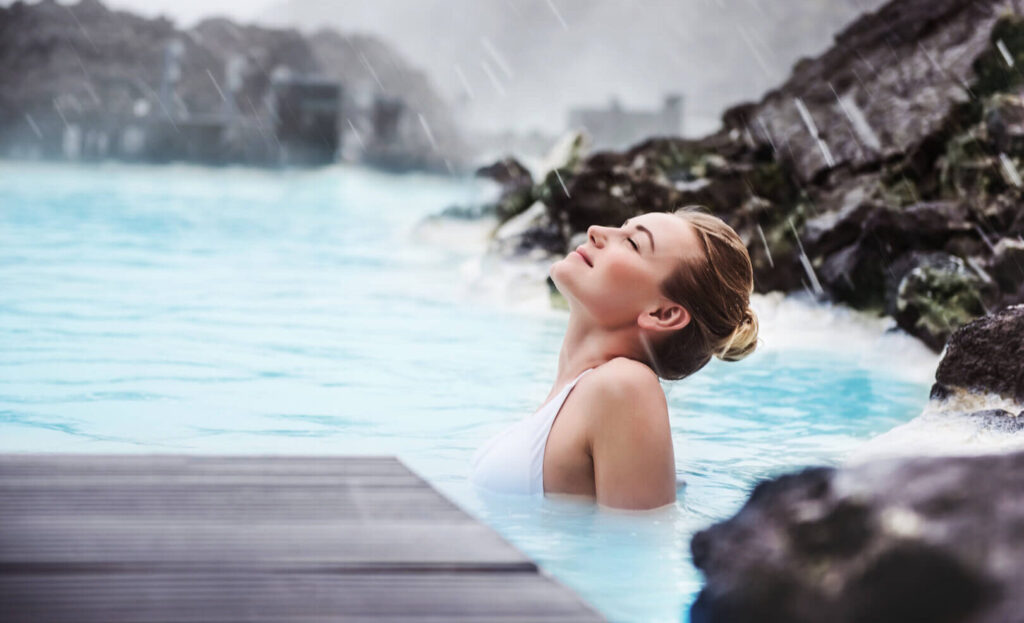
The allure of hot springs in the world lies in their natural healing abilities, derived from the minerals dissolved in their waters. Each region’s geological composition gives rise to unique mineral blends rich in calcium, magnesium, potassium, and sulfur that have been linked to various health benefits.
These minerals can improve circulation, reduce muscle tension, and detoxify the skin, making hot spring bathing a holistic wellness experience.
In Japan, onsen culture has existed for over a thousand years, with each spring known for specific therapeutic properties. Beppu’s “Hell Hot Springs,” for example, contain sulfur-rich waters that relieve skin irritation and muscle fatigue.
In contrast, Iceland’s Blue Lagoon offers silica and algae-rich waters that are scientifically proven to enhance skin elasticity and calm inflammation. Meanwhile, the hot springs in the world found in New Zealand, Costa Rica, and Turkey combine volcanic energy and scenic beauty.
Visitors not only soak in naturally warm waters but also enjoy the restorative effects of nature itself crisp air, lush vegetation, and the soothing sound of geothermal activity all work in harmony to restore physical and emotional balance.
The Science Behind Thermal Waters And Relaxation
The therapeutic power of hot springs in the world is not just folklore it’s supported by science. The heat from geothermal water raises the body’s temperature, improving blood circulation and promoting oxygen delivery to tissues. This process relaxes muscles, eases joint pain, and can even enhance sleep quality.
The buoyancy of the water also relieves pressure on joints, making it especially beneficial for those with arthritis or muscle stiffness. Moreover, soaking in hot mineral water triggers the release of endorphins the body’s natural “feel-good” hormones.
This explains why a few hours in a thermal pool can leave visitors with a deep sense of calm and rejuvenation. Studies have shown that regular exposure to thermal waters can reduce stress, support cardiovascular health, and boost the immune system.
Many of the hot springs in the world also emit mild geothermal gases like carbon dioxide, which can have vasodilating effects, helping to relax blood vessels and improve circulation.
Combined with the mental benefits of being immersed in serene natural settings, these hot springs provide an unparalleled fusion of science and tranquility.
Hot Springs In The World: Top Countries To Visit For Thermal Baths
When exploring the hot springs in the world, some countries stand out for their abundance of geothermal treasures and their deep-rooted spa traditions.
Iceland is often at the top of the list its volcanic landscape is dotted with hundreds of hot springs, from the world-famous Blue Lagoon near Reykjavik to the secluded Mývatn Nature Baths in the north. Each offers a surreal blend of icy winds and steaming waters beneath the aurora-filled skies.
Japan is another haven for hot spring lovers. The country’s onsen culture is woven into daily life, emphasizing purification, mindfulness, and community. Hakone, Kusatsu, and Beppu are among the most popular destinations, with thousands of natural baths across the islands.
Visitors often stay in ryokan inns, where soaking in an outdoor bath surrounded by snow or forest is a spiritual experience. In Europe, Hungary’s capital Budapest is often called the “City of Spas.” Its Széchenyi and Gellért Baths combine neo-baroque architecture with naturally heated pools rich in minerals.
Italy’s Saturnia thermal springs, set amid the Tuscan countryside, are another iconic destination. Meanwhile, Turkey’s Pamukkale and its dazzling white travertine terraces a UNESCO World Heritage site stand as one of the most photogenic hot springs in the world.
Luxurious Resorts Offering Premium Spa Experiences
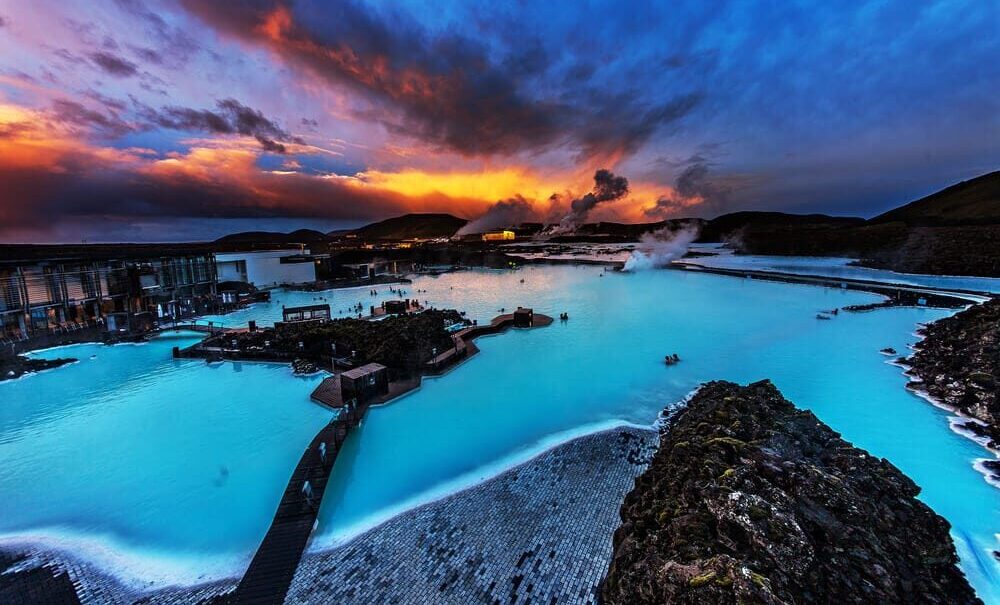
Modern travelers often seek to combine the therapeutic charm of hot springs in the world with the comfort of luxury resorts. Today, many of these destinations feature world-class spa facilities that merge nature’s raw power with human craftsmanship.
These resorts provide private thermal pools, mud treatments, aromatherapy, and personalized wellness programs. In Switzerland, thermal resorts in the Alps invite visitors to soak in steaming pools while gazing at snow-capped peaks. The contrast of cold air and hot mineral water offers a truly invigorating sensation.
In Japan, traditional ryokan inns provide minimalist elegance, where tatami rooms and open-air baths (rotenburo) connect guests directly with nature. Tuscany’s Saturnia Spa & Golf Resort and Iceland’s Retreat at Blue Lagoon are prime examples of how modern architecture and geothermal wonders can coexist.
These locations are designed for ultimate relaxation, blending the timeless serenity of hot springs in the world with the sophistication of contemporary spa luxury. From volcanic mud therapies to mineral massages, these resorts transform traditional bathing into a sensory experience.
Hot Springs In The World: Travel Tips For An Unforgettable Thermal Journey
Planning a visit to the hot springs in the world requires a few key considerations to make the most of the experience. First, research the best seasons to visit.
For example, Japan’s onsens are especially magical in winter when snow falls around the baths, while Iceland’s hot springs are most stunning under the midnight sun or northern lights.
Always check the mineral composition of each spring, as some may be too hot or contain high sulfur levels that can irritate sensitive skin. It’s also wise to bring a swimsuit, quick-dry towel, and flip-flops, although some traditional onsens require bathing without clothing.
Staying hydrated is essential, as long exposure to hot water can cause dehydration. Respecting local customs is equally important many hot spring cultures emphasize cleanliness, quietness, and respect for others.
Lastly, allow time to relax and immerse yourself fully in the moment. Beyond the physical rejuvenation, the true beauty of the hot springs in the world lies in their ability to connect you with nature’s rhythm and remind you of life’s simple, restorative pleasures.
See you in the next post,
Anil UZUN