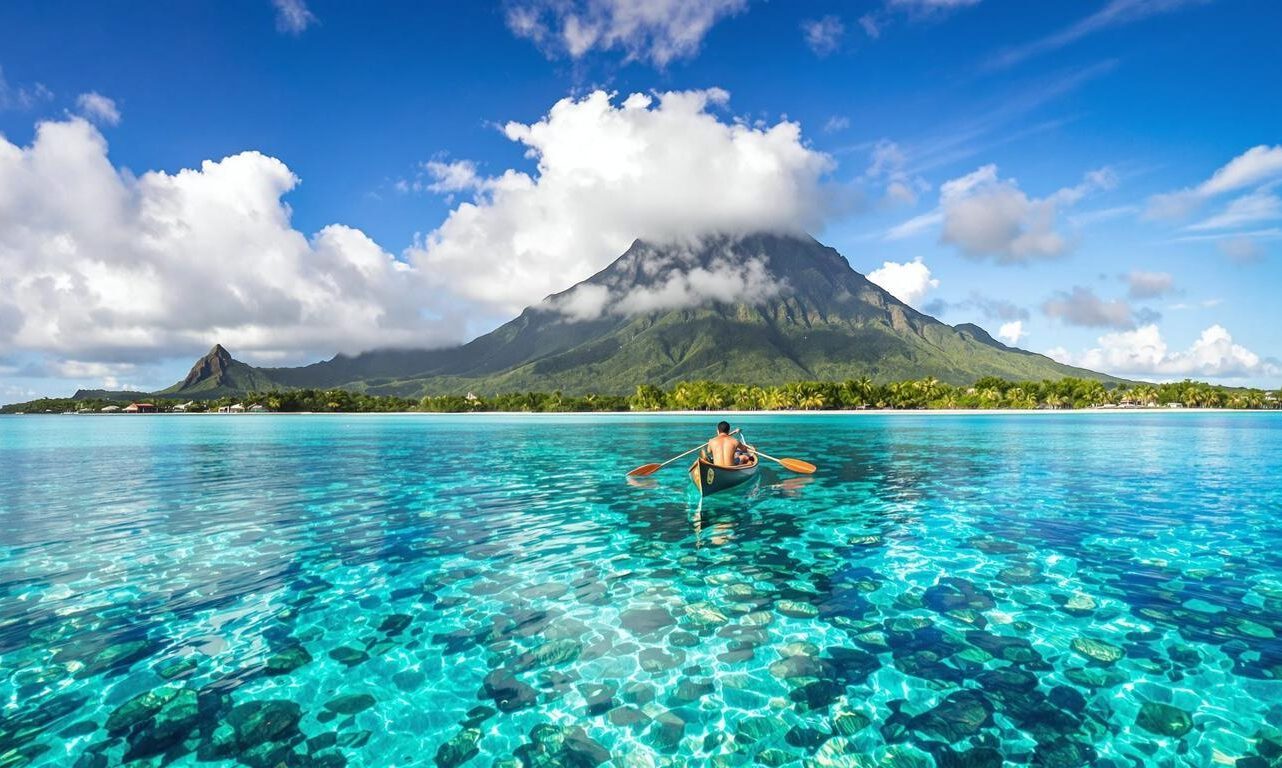

Hidden islands of the Pacific represent one of the last frontiers for travelers who value nature, silence, and authenticity over crowds and mass tourism. Scattered across the vast Pacific Ocean, these islands offer a slower rhythm of life shaped by the sea, the land, and deep-rooted local traditions.
Unlike well-known tropical destinations, hidden islands of the Pacific are defined by limited infrastructure, untouched landscapes, and a strong connection between local communities and their environment.
For nature lovers, these islands provide more than scenic beauty. They offer the chance to disconnect from fast-paced routines, explore ecosystems that remain largely intact, and experience travel in a more mindful and respectful way.
From remote volcanic islands to coral atolls surrounded by turquoise lagoons, hidden islands of the Pacific reward those who plan carefully and travel with intention.
Where To Find Hidden Islands Of The Pacific: Regions, Vibes, And What To Expect
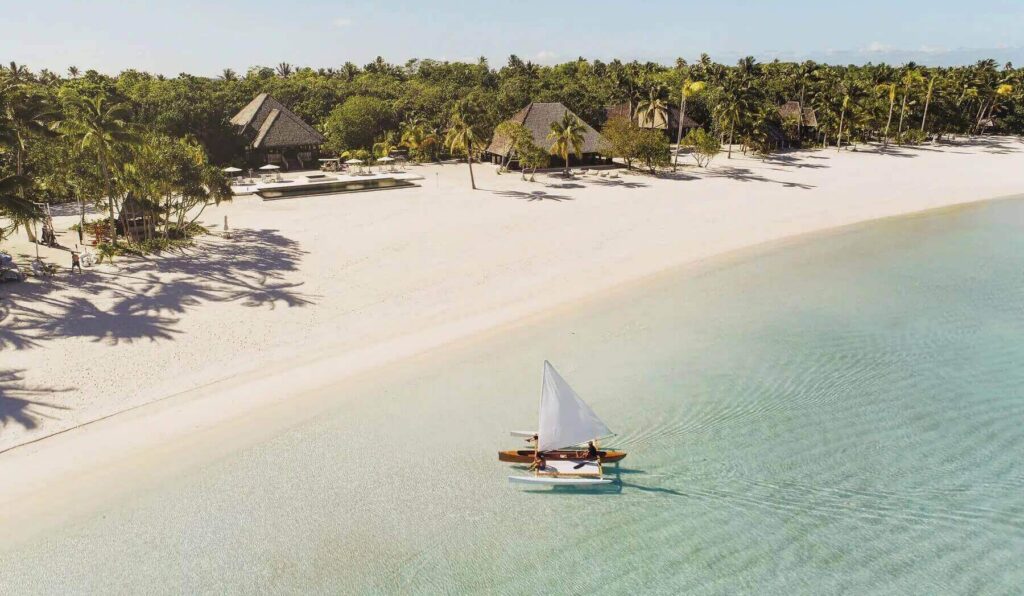
Hidden islands of the Pacific are spread across three broad cultural and geographical regions: Melanesia, Micronesia, and Polynesia.
Each region has its own atmosphere, landscapes, and travel dynamics, making it essential to understand what kind of experience you are seeking before choosing a destination. Melanesia is known for its rugged terrain, dense rainforests, and strong indigenous cultures.
The hidden islands of the Pacific in this region often feature dramatic coastlines, waterfalls, and mountainous interiors. Travelers can expect limited tourism facilities but rich cultural encounters and immersive nature experiences.
These islands are ideal for hiking, river exploration, and learning about traditional village life. Micronesia consists of smaller island groups scattered over a wide ocean area. Here, hidden islands of the Pacific are often low-lying, with crystal-clear lagoons and vibrant coral reefs.
The vibe is quiet and intimate, with a strong focus on marine life. Snorkeling, diving, and kayaking are central activities, but patience is required due to infrequent transport and basic accommodation options.
Polynesia is sometimes associated with luxury travel, yet it still holds many hidden islands of the Pacific that remain under the radar. These islands often combine volcanic peaks with lush valleys and calm beaches.
While infrastructure may be slightly more developed, it is still possible to find quiet islands where daily life revolves around fishing, farming, and community gatherings rather than tourism schedules.
Understanding regional differences helps set realistic expectations. Hidden islands of the Pacific are not designed for convenience. They are places where flexibility, curiosity, and respect for local rhythms enhance the overall experience.
Best Time To Go: Weather, Sea Conditions, And Crowd Levels
Timing plays a crucial role when planning a trip to hidden islands of the Pacific. Although the climate is generally tropical, seasonal variations in rainfall, humidity, and sea conditions can significantly affect travel plans.
The dry season is often considered the best time to visit hidden islands of the Pacific. During this period, rainfall is lower, trails are more accessible, and sea conditions are calmer. These factors make island hopping, boat transfers, and outdoor activities more reliable.
Crowd levels also remain low, as many of these islands do not experience mass tourism even during peak seasons. The wet season brings heavier rainfall and higher humidity, but it also transforms landscapes into vibrant shades of green.
Waterfalls become more dramatic, and fewer visitors arrive, creating an even greater sense of isolation. For photographers and travelers who value atmosphere over comfort, this season can be rewarding. However, flexibility is essential, as weather-related delays are common.
Sea conditions are particularly important when visiting hidden islands of the Pacific. Many islands rely on small boats for transport, and rough seas can disrupt schedules. Checking long-term marine forecasts and allowing extra travel days can help reduce stress and ensure a smoother journey.
Hidden Islands Of The Pacific Worth Visiting: Quiet Nature-First Picks
One of the defining features of hidden islands of the Pacific is their emphasis on nature-first experiences. These islands often lack large resorts or entertainment venues, encouraging travelers to engage with their surroundings instead of structured activities.
Quiet islands typically offer unmarked hiking paths, secluded beaches, and coral reefs accessible directly from the shore. Wildlife encounters may include tropical birds, marine species, and unique plant life found nowhere else. Because tourism is minimal, these experiences often feel personal and unfiltered.
Staying on hidden islands of the Pacific also means embracing simplicity. Power outages, limited internet access, and basic facilities are common. Rather than inconveniences, these elements can become part of the appeal, allowing visitors to slow down and reconnect with natural cycles.
Local guides play an important role in enhancing these experiences. Their knowledge of weather patterns, wildlife behavior, and cultural customs adds depth to each activity while ensuring safety and sustainability.
Getting There And Staying There: Flights, Island Hopping, And Smart Budgeting
Reaching hidden islands of the Pacific requires careful planning. International flights usually arrive at regional hubs, followed by domestic flights or boat transfers to smaller islands. Schedules may be infrequent, so aligning connections is essential.
Island hopping can be both rewarding and challenging. While it allows travelers to experience multiple environments, it also increases exposure to delays and logistical issues. Focusing on fewer islands and staying longer at each location often leads to a more relaxed and meaningful journey.
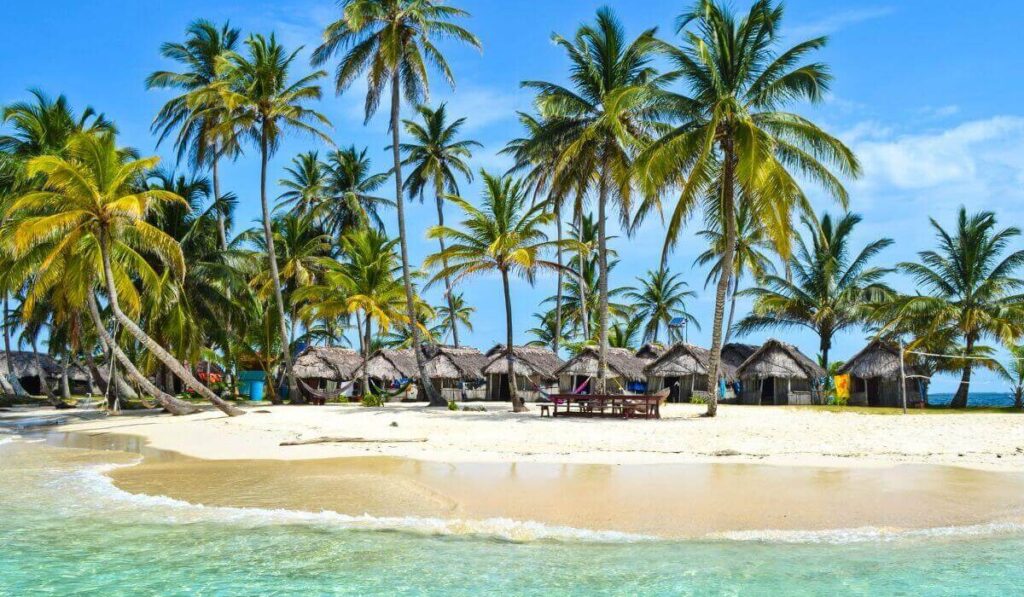
Accommodation on hidden islands of the Pacific is typically small-scale. Guesthouses, eco-lodges, and family-run bungalows are common, offering basic comfort and close interaction with local hosts. Booking in advance is recommended, as options are limited and may not always appear on major booking platforms.
Budgeting should account for higher transportation costs and limited dining options. Meals are often based on local produce and seafood, which can be both affordable and culturally enriching. Bringing essential items such as medications and specialized gear is advisable, as supplies may be difficult to find on remote islands.
Hidden Islands Of The Pacific Travel Ethically: Wildlife, Reefs, And Local Communities
Ethical travel is especially important when visiting hidden islands of the Pacific. These environments are fragile, and even small actions can have lasting impacts on ecosystems and communities.
Protecting marine life is a priority. Coral reefs are sensitive to physical contact, pollution, and certain chemicals found in sunscreen. Choosing reef-safe products and following local guidelines helps preserve underwater ecosystems for future generations.
Respect for wildlife extends beyond the ocean. Birds, land animals, and plant species may be endemic and vulnerable. Observing from a distance and avoiding interference ensures that natural behaviors are not disrupted.
Cultural respect is equally essential. Hidden islands of the Pacific often maintain strong traditions and social norms. Dressing modestly, asking permission before taking photos, and participating in local customs with humility foster positive relationships and mutual understanding.
Supporting local businesses, guides, and accommodation providers helps ensure that tourism benefits remain within the community. Ethical travel transforms hidden islands of the Pacific from destinations into shared spaces of learning and connection.
By approaching these islands with awareness and respect, travelers can enjoy unforgettable experiences while contributing to the preservation of some of the world’s most remarkable natural and cultural landscapes.
See you in the next post,
Anil UZUN