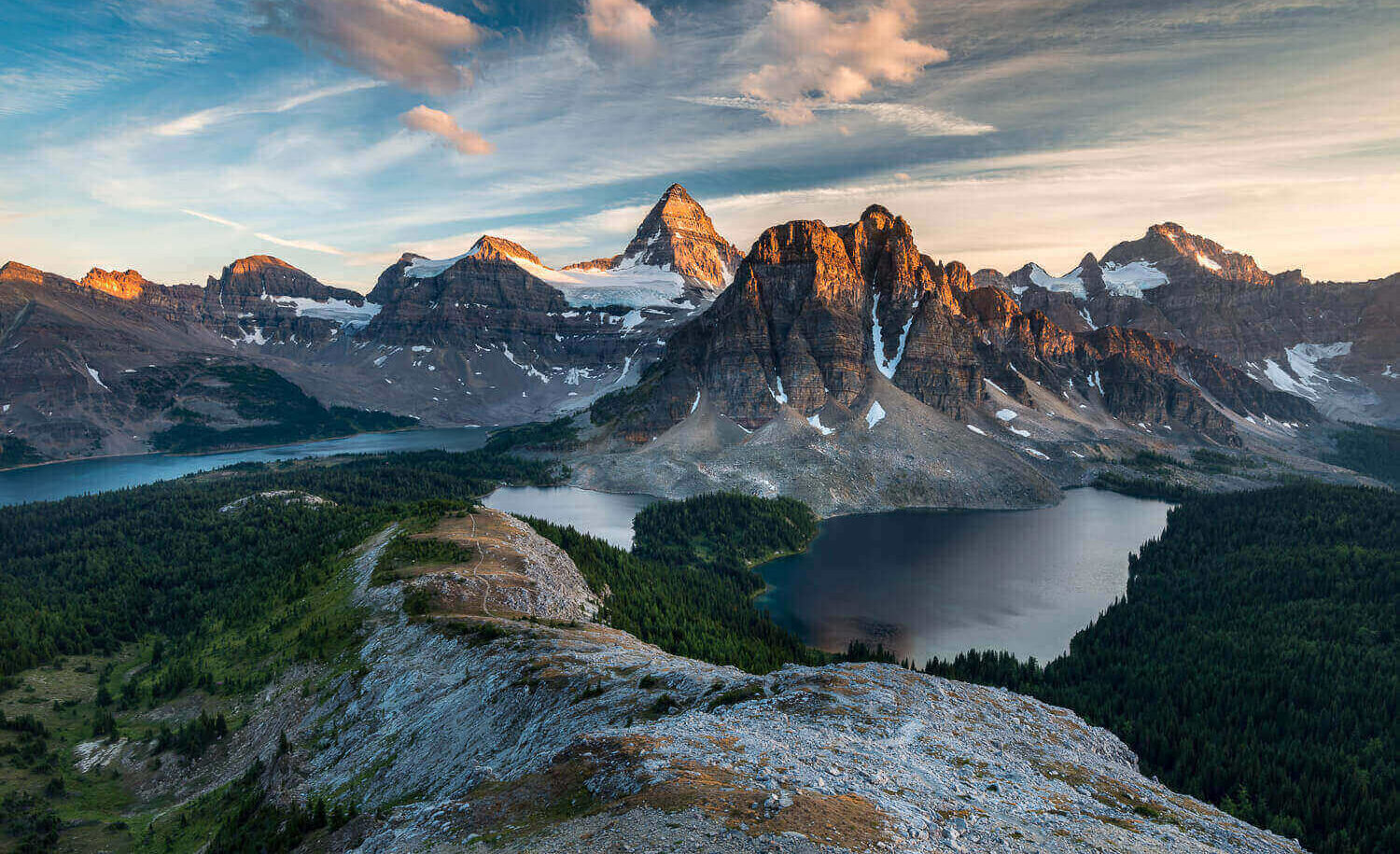

The Canada rocky mountains are one of the most iconic natural regions in North America, offering dramatic mountain peaks, turquoise glacial lakes, dense forests, and diverse wildlife.
Stretching across Alberta and British Columbia, this vast mountain system is home to world-famous national parks, scenic highways, and outdoor experiences suitable for every type of traveler.
Whether you are visiting for photography, hiking, road trips, or simply to reconnect with nature, the region delivers unforgettable moments in every season. What sets the Canada rocky mountains apart is how accessible they are despite their wild appearance.
Well-maintained roads, organized park services, and clearly marked trails allow first-time visitors to explore safely, while still feeling immersed in untouched landscapes. From charming mountain towns to remote alpine viewpoints, the area offers a perfect balance between comfort and adventure.
This guide is designed to help you plan your journey efficiently, understand the best times to visit, and experience the highlights without feeling overwhelmed.
When To Visit The Canada Rocky Mountains: Seasons, Weather, And What To Pack
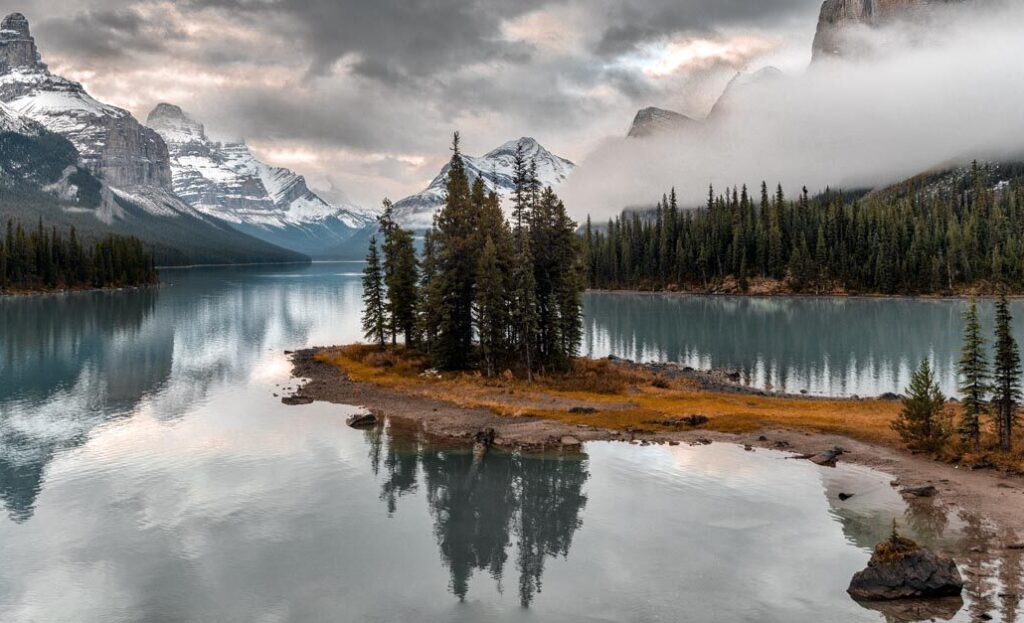
Choosing the right season is one of the most important decisions when planning a trip to the Canada rocky mountains. Each season offers a completely different atmosphere, scenery, and set of activities.
Summer, from June to early September, is the most popular time to visit. During these months, mountain roads are fully open, hiking trails are accessible, and lakes such as Lake Louise and Moraine Lake display their famous turquoise color.
Daytime temperatures are generally comfortable, but evenings can be cool, especially at higher elevations. Autumn is quieter and visually stunning, with golden larch trees and fewer crowds.
Late September and early October are ideal for photography, though snowfall can begin unexpectedly. Winter transforms the Canada rocky mountains into a snow-covered landscape perfect for skiing, snowshoeing, and winter hiking, but travel requires more planning due to icy roads and limited daylight.
Packing should always be based on layers. Even in summer, weather can change rapidly. A waterproof jacket, warm mid-layer, sturdy shoes, sun protection, and a small backpack are essential. In colder seasons, thermal clothing and proper winter gear become critical for safety.
Banff And Lake Louise: A Simple First-Time Itinerary
Banff is often the starting point for first-time visitors to the Canada rocky mountains. The town itself offers a lively atmosphere with restaurants, cafés, and shops, all surrounded by towering mountain scenery. Banff also serves as a central base for exploring nearby lakes, viewpoints, and short hiking trails.
Lake Louise is one of the most recognizable sights in the region. Known for its vivid blue-green water and dramatic mountain backdrop, the lake is easily accessible and offers walking paths suitable for all fitness levels.
Early morning visits are strongly recommended, as parking is limited and crowds increase quickly during peak season. A simple first-time itinerary usually includes one full day in Banff town and surrounding viewpoints, followed by a dedicated visit to Lake Louise and nearby attractions.
This approach allows travelers to experience the most iconic scenery without rushing. For those with extra time, adding Moraine Lake or short hikes near Lake Louise can enrich the experience even further.
Canada Rocky Mountains Road Trip Highlights: Jasper And Icefields Parkway Stops
Jasper offers a different atmosphere compared to Banff. It is quieter, more spread out, and feels closer to untouched wilderness. Jasper National Park is larger and less crowded, making it ideal for travelers who prefer wide open spaces and a slower pace.
Connecting Banff and Jasper is the legendary Icefields Parkway, often described as one of the most scenic drives in the world. This highway passes glaciers, waterfalls, deep valleys, and countless mountain peaks.
The drive itself is a major highlight of any Canada rocky mountains trip. Key stops along the Icefields Parkway include Peyto Lake, Athabasca Glacier, Mistaya Canyon, and numerous roadside viewpoints.
Travelers should plan extra time for spontaneous stops, as wildlife sightings and unexpected viewpoints are common. Fuel stations are limited, so filling up before starting the drive is essential.
Best Hiking Trails And Viewpoints For Every Fitness Level
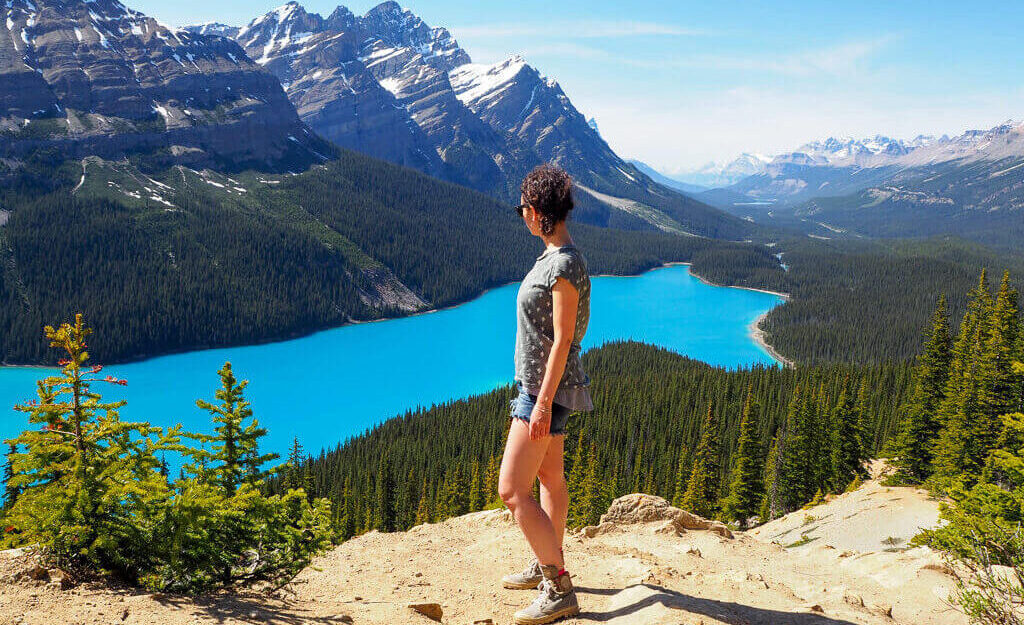
One of the greatest strengths of the Canada rocky mountains is the variety of hiking options available. There are trails suitable for beginners, families, and experienced hikers alike.
Easy trails include lakeside walks and short scenic paths with minimal elevation gain. These routes still offer stunning views and are perfect for visitors who want to enjoy nature without intense physical effort. Many of these trails are located near Banff, Lake Louise, and Jasper.
Moderate trails introduce longer distances and elevation changes, rewarding hikers with panoramic views of valleys, glaciers, and alpine lakes. These hikes are ideal for travelers with basic fitness and proper footwear. Challenging trails involve steep ascents, longer durations, and sometimes exposure to changing weather.
These routes are best suited for experienced hikers who are comfortable navigating mountain terrain. Regardless of difficulty level, checking trail conditions and weather forecasts is essential when hiking in the Canada rocky mountains.
Getting Around The Canada Rocky Mountains: Transport, Where To Stay, And Budget Tips
Most travelers begin their journey to the Canada rocky mountains by flying into Calgary. Renting a car is the most flexible option, allowing access to scenic roads, early morning viewpoints, and remote locations.
While guided tours and shuttle services are available, having a car provides greater independence. Accommodation options range from luxury mountain lodges to budget-friendly hostels and campgrounds.
Banff and Lake Louise tend to be more expensive, while Jasper often offers slightly better value. Booking well in advance is strongly recommended during summer months. Visitors must purchase a national park pass to enter Banff and Jasper National Parks.
These passes are required for all vehicles and can be purchased daily or for multiple days. Budget planning should include accommodation, transportation, fuel, food, and park fees. With smart planning, the Canada rocky mountains can be explored comfortably on a wide range of budgets.
See you in the next post,
Anil UZUN