

The psychology of travel explores how movement across places, cultures, and environments reshapes the way people think, feel, and behave. Travel is not only a physical experience but also a deeply cognitive and emotional process that affects perception, identity, and decision making.
When individuals step outside their familiar surroundings, their brains must adapt quickly to new information, unfamiliar patterns, and unexpected situations. This constant adaptation stimulates learning, awareness, and emotional growth. Routine life often runs on predictable structures.
People wake up at similar times, interact with the same environments, and follow repeated habits. Travel interrupts these patterns. New languages, social customs, sensory stimuli, and logistical challenges force the mind to stay alert.
This heightened awareness increases cognitive flexibility and encourages people to process experiences more consciously rather than automatically. Travel also influences emotional processing. Being exposed to unfamiliar places often triggers curiosity, excitement, and sometimes anxiety.
These mixed emotions activate reflection. Individuals begin questioning assumptions, evaluating their reactions, and noticing how they respond to uncertainty. Over time, this process strengthens emotional regulation and adaptability. Another important aspect is identity transformation.
Travel places individuals in new social contexts where their usual roles may not apply. Without familiar expectations, people can experiment with different ways of interacting and expressing themselves.
This temporary freedom allows deeper self exploration and often leads to lasting changes in priorities, beliefs, and life goals. The psychology of travel therefore shows that journeys are not just about destinations.
They are powerful psychological events that expand awareness, reshape habits, and transform how people understand themselves and the world around them.
What The Psychology Of Travel Means: Curiosity, Flexibility, And New Experiences
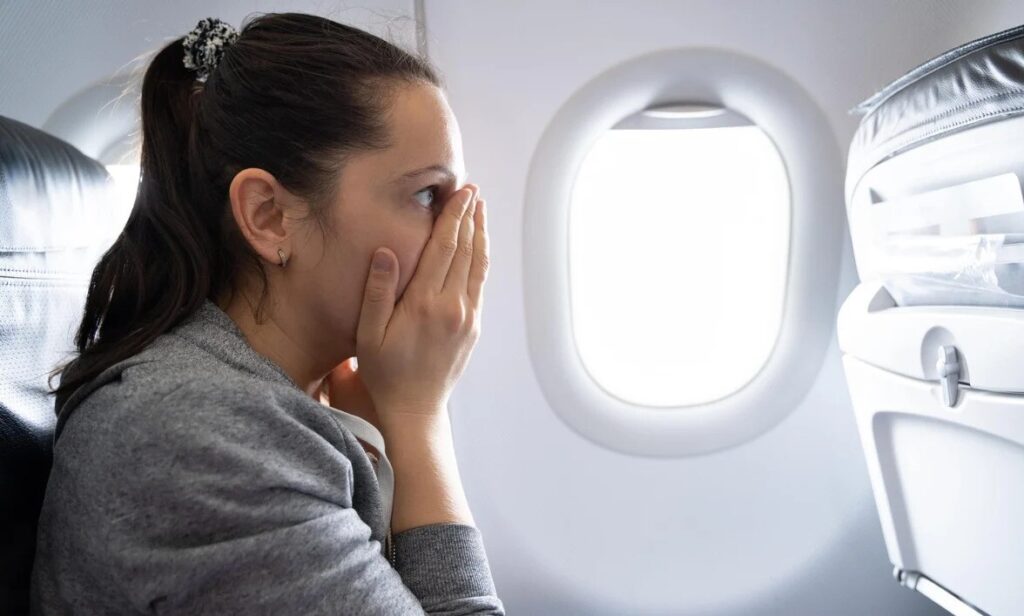
At its core, the psychology of travel centers on how exposure to novelty influences mental processes. Human brains are wired to detect patterns and maintain efficiency. However, when individuals travel, those patterns are disrupted.
Every unfamiliar environment requires observation, interpretation, and adjustment. This activates curiosity, which is one of the strongest drivers of learning. Curiosity encourages exploration. When travelers encounter unfamiliar food, architecture, language, or customs, they must engage actively rather than passively.
They ask questions, make comparisons, and form new mental associations. This process expands cognitive frameworks and increases openness to future experiences. Mental flexibility is another central element.
Flexibility refers to the ability to shift perspectives, adjust expectations, and respond to change without excessive stress. Travel naturally develops this skill. Plans may change, communication may be imperfect, and routines may be impossible to maintain. The mind learns to tolerate ambiguity and adapt quickly.
New experiences also influence memory formation. Experiences that are emotionally intense or highly novel are encoded more deeply in the brain. This is why travel memories often feel vivid and long lasting. The brain assigns importance to unfamiliar stimuli because they require greater attention and interpretation.
Over time, repeated exposure to novelty reduces resistance to change. Travelers become more comfortable experimenting, learning, and re evaluating assumptions. This psychological shift often extends beyond travel, affecting creativity, decision making, and problem solving in everyday life.
The Psychology Of Travel And Comfort Zones: Uncertainty, Confidence, And Resilience
Comfort zones provide predictability and safety. They are environments where individuals understand expectations and outcomes. Travel pushes people beyond these zones by introducing uncertainty.
Navigating unfamiliar transportation systems, managing language barriers, or adapting to new social rules can initially create stress. However, this stress is often productive. When individuals successfully handle unfamiliar situations, confidence increases.
Each resolved challenge demonstrates competence and adaptability. This reinforces self efficacy, the belief in one’s ability to manage difficulties and achieve goals. Resilience also develops through repeated exposure to uncertainty.
Instead of avoiding unpredictable situations, travelers learn that discomfort is temporary and manageable. They begin to interpret challenges as opportunities for growth rather than threats to stability. The relationship between uncertainty and growth is fundamental in the psychology of travel.
Mild stress activates problem solving and learning systems in the brain. When individuals overcome these stressors, they become better equipped to handle future complexity. This leads to increased emotional stability and improved coping strategies.
As confidence and resilience strengthen, the boundaries of the comfort zone expand. Situations that once felt intimidating become manageable. This psychological expansion often influences career decisions, social interactions, and long term life choices.
Culture Exposure And Perspective Shifts: Empathy, Bias, And Identity
Direct exposure to different cultures is one of the most transformative aspects of travel. Cultural norms shape perception, behavior, and values. When travelers encounter alternative ways of living, they gain insight into the relativity of their own beliefs.
Empathy grows through observation and interaction. Seeing how people live under different economic, social, or environmental conditions fosters understanding. Travelers recognize shared human emotions despite external differences. This recognition reduces social distance and strengthens emotional awareness.
Exposure to diversity also challenges bias. Preconceived ideas often rely on limited or indirect information. Direct experience provides nuance and complexity that contradict stereotypes. Individuals begin to question generalizations and become more aware of how cultural assumptions influence judgment.
Identity development is closely linked to cultural exposure. Encountering different value systems encourages reflection on personal beliefs. Travelers may adopt new practices, reconsider priorities, or redefine their sense of belonging. Identity becomes more flexible and multidimensional.
Perspective shifts resulting from cultural exposure often remain long after the trip ends. Individuals may approach global issues, social interactions, and ethical questions with greater awareness and sensitivity.
Solo The Psychology Of Travel And Social Connection: Self Knowledge, Belonging, And Relationships

Solo travel offers a unique psychological environment because it removes familiar social frameworks. Without the presence of known companions, individuals rely more heavily on internal decision making and self awareness.
Self knowledge deepens through independence. Every choice, from planning daily activities to managing unexpected problems, reflects personal preferences and values. This continuous self reference clarifies motivations and emotional responses.
Interestingly, traveling alone often increases social interaction. Without established social circles, individuals are more likely to initiate conversations and form temporary connections. These interactions can be meaningful even when brief, reinforcing the universal human need for connection.
Solo travel also reshapes the sense of belonging. Individuals experience both independence and interdependence. They learn that belonging is not limited to familiar environments but can emerge through shared experiences, even across cultural or linguistic differences.
Relationships may also change after solo travel. Greater self awareness improves communication and boundaries. Individuals often return with clearer expectations and stronger emotional autonomy.
After The Trip: Habits, Motivation, And Re Adjusting To Daily Life
The psychological impact of travel continues after returning home. Experiences accumulated during the journey influence habits, attitudes, and goals. Many travelers reassess priorities.
Exposure to different lifestyles often highlights the relative nature of comfort, success, and fulfillment. Some individuals adopt simpler routines, pursue new interests, or prioritize experiences over possessions. Motivation frequently increases.
Travel demonstrates personal capability and expands perceived possibilities. Individuals may feel inspired to pursue education, career changes, or personal development projects. Re adjustment to daily life can be complex. Returning to routine may feel restrictive after experiencing novelty and freedom.
However, this contrast often encourages mindfulness. People become more aware of how they spend time, how they interact with others, and how they define satisfaction. The psychology of travel ultimately reveals that journeys reshape mental structures in lasting ways.
Even after physical movement stops, cognitive and emotional transformation continues. Travel becomes part of personal history, influencing how individuals interpret future experiences and envision their place in the world.
See you in the next post,
Anil UZUN