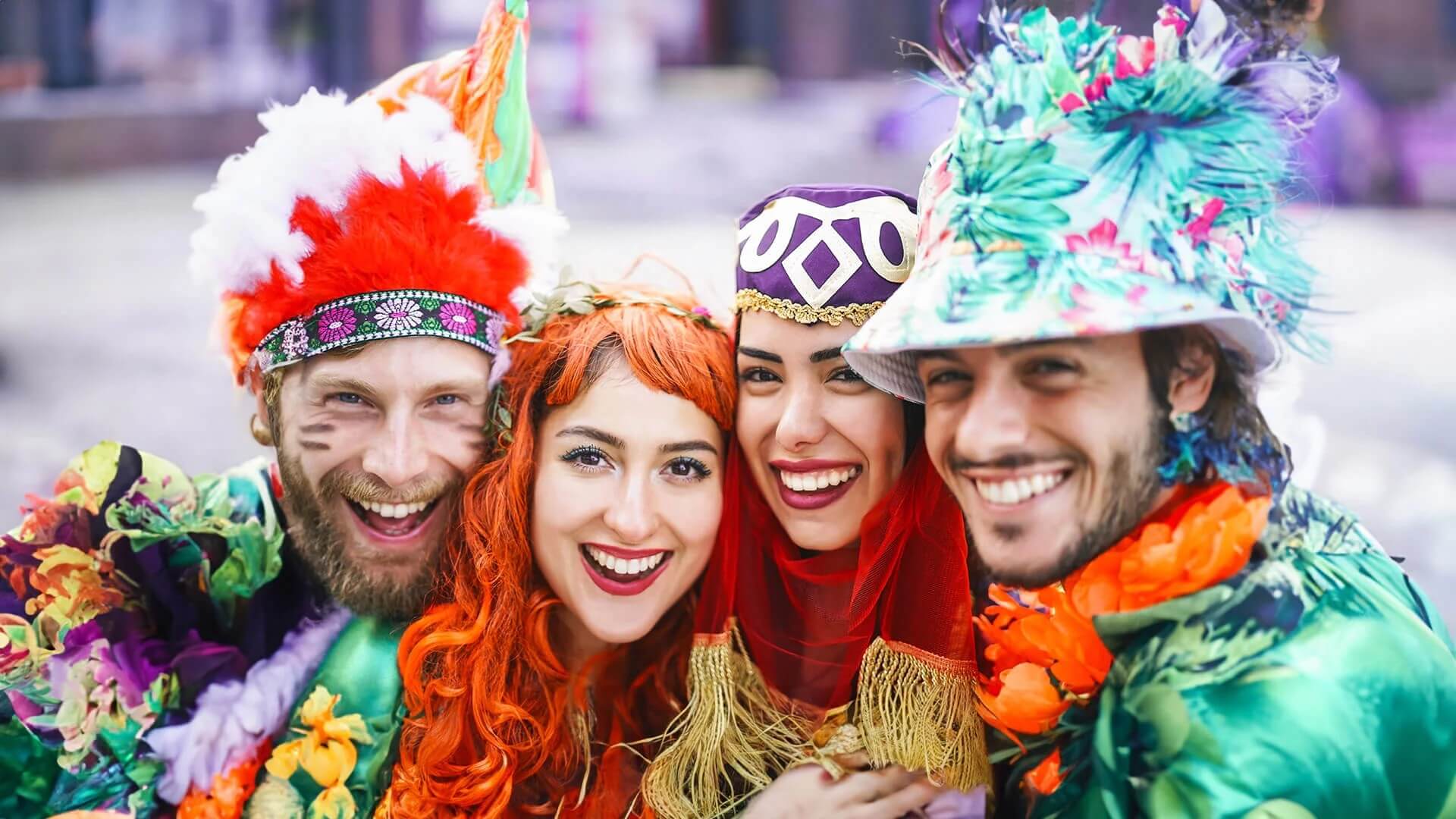

European traditional festivals offer one of the most authentic ways to experience the cultural identity of the continent beyond landmarks and museums. These festivals are living expressions of history, belief systems, seasonal rhythms, and community values that have been preserved for centuries.
Unlike modern events created for tourism, traditional festivals in Europe remain deeply rooted in local life and are often organized by communities rather than commercial entities.
For travelers seeking meaningful cultural immersion,European traditional festivals provide firsthand access to music, dance, clothing, rituals, and cuisine that reflect regional heritage. Participation goes far beyond observation.
Visitors often find themselves sharing meals, joining processions, or learning traditional dances alongside locals. This direct engagement transforms travel into an experience of connection rather than consumption. Throughout Europe, traditional festivals are celebrated in villages, towns, and major cities alike.
Each one reflects a unique story shaped by geography, religion, climate, and historical events. Understanding these festivals allows travelers to see Europe not as a single cultural entity, but as a mosaic of identities that continue to thrive through shared celebration.
European Traditional Festivals And Their Cultural Origins
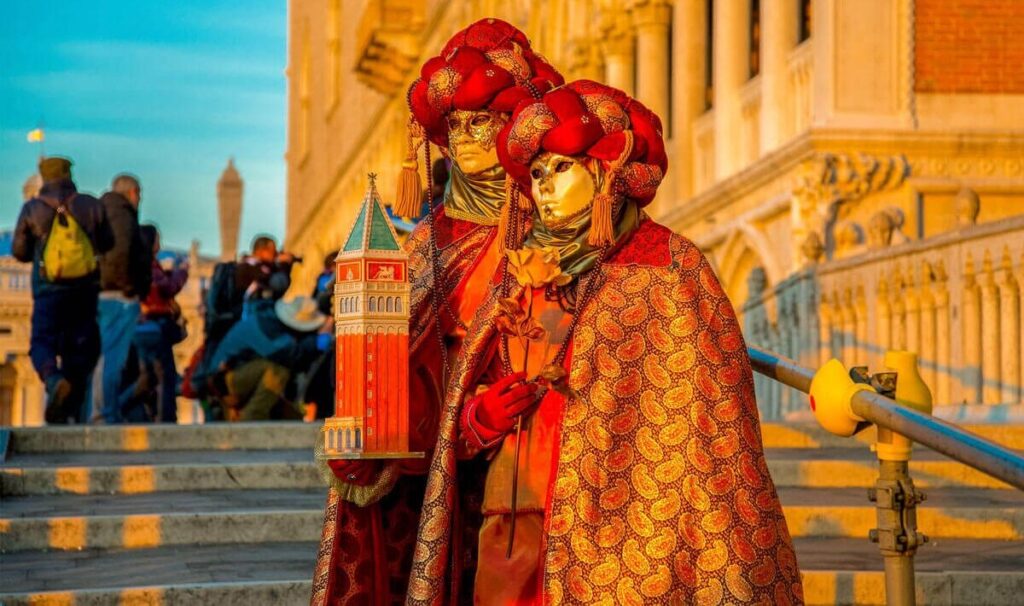
The origins of European traditional festivals can be traced back to ancient civilizations, agricultural societies, and early religious practices. Many festivals emerged from seasonal cycles such as planting, harvest, solstices, and equinoxes.
These moments marked survival, renewal, and gratitude, making them central to communal life long before modern calendars existed. Over time, pagan rituals were often absorbed into Christian traditions, creating layered celebrations that combined spiritual symbolism with folk customs.
This blending of belief systems is one of the defining characteristics of European traditional festivals. Elements such as fire ceremonies, symbolic costumes, and ritual foods frequently reflect both pre-Christian and religious influences.
Understanding these cultural origins helps visitors interpret what they see during festivals. Masks, colors, music styles, and ceremonial acts are rarely random. Each has a meaning shaped by history and collective memory.
European traditional festivals serve as cultural archives, preserving values and narratives that might otherwise fade in a rapidly globalizing world.
Experiencing Local Traditions Through European Traditional Festivals
European traditional festivals provide unmatched opportunities to witness local traditions in their most genuine form. During festival periods, everyday routines change as communities prepare for celebration.
Streets are decorated, traditional clothing is worn, and families gather across generations to participate in shared rituals. Music and dance play a central role in these events.
Folk instruments, regional rhythms, and traditional songs create a soundscape that reflects the emotional core of a community. Many festivals encourage participation, allowing visitors to dance, sing, or march alongside locals.
This shared experience builds cultural understanding through action rather than explanation. Food is another powerful gateway into tradition. Festival menus often feature dishes prepared only once a year, using recipes passed down through generations.
Tasting these foods within their cultural context offers insight into regional agriculture, climate, and social customs. Through European traditional festivals, culture becomes something felt, tasted, and lived rather than simply observed.
Iconic European Traditional Festivals Across Different Countries
Across Europe, each country offers distinct traditional festivals shaped by local history and identity. Southern European festivals are often vibrant and expressive, featuring elaborate processions, music-filled streets, and strong communal participation.
These celebrations frequently emphasize emotion, storytelling, and visual spectacle. In Northern Europe, traditional festivals tend to focus on nature, seasonal transitions, and ancient mythology.
Events celebrating midsummer, winter solstice, and harvest time often incorporate fire rituals, symbolic decorations, and outdoor gatherings tied closely to the natural environment. Central and Eastern Europe are known for folklore-rich festivals that highlight traditional crafts, costumes, and historical reenactments.
These events often preserve regional dialects, dances, and artisanal skills. Together, these varied celebrations demonstrate how European traditional festivals reflect the continent’s extraordinary cultural diversity while sharing common themes of identity, continuity, and community.
Travel Tips For Attending Cultural Festivals In Europe
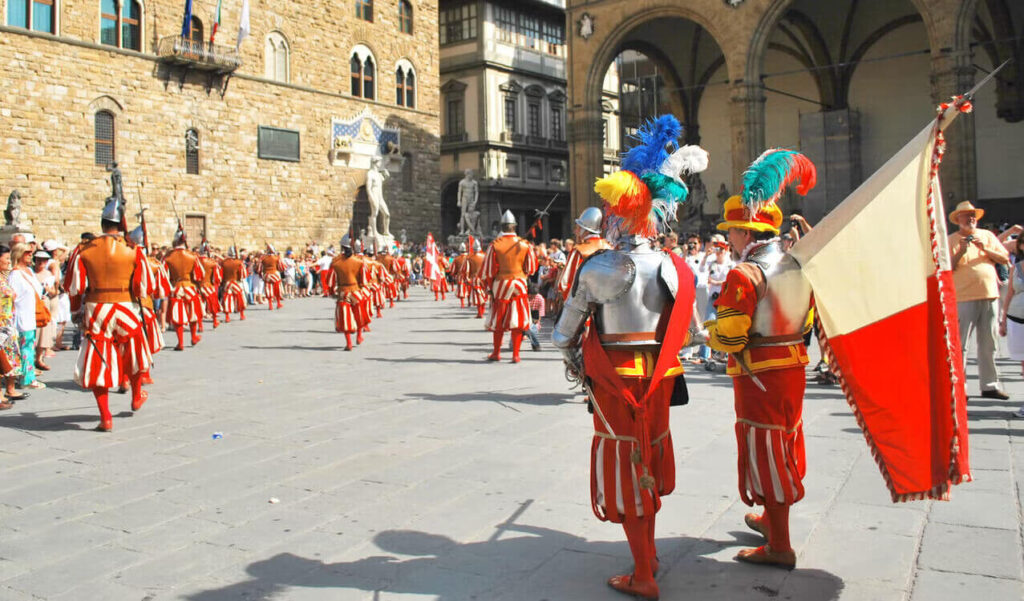
Attending European traditional festivals requires thoughtful planning to fully enjoy the experience. Festival dates may vary each year depending on religious calendars or seasonal conditions, so checking official local sources is essential.
Popular festivals can attract large crowds, making early accommodation bookings highly recommended. Travelers should also be aware of local customs and etiquette during festivals. Some events are deeply spiritual or ceremonial, requiring respectful behavior and limited photography.
Learning basic cultural norms beforehand helps visitors engage appropriately and avoid misunderstandings. Language differences may present challenges, but festivals often bridge communication gaps through shared activities.
Dressing comfortably, arriving early, and being open to interaction can greatly enhance the experience. European traditional festivals reward curiosity, patience, and cultural sensitivity with unforgettable memories.
European Traditional Festival As A Way To Understand Regional Identity
European traditional festivals are powerful tools for understanding regional identity because they reveal how communities see themselves and their past.
Through symbols, stories, and rituals, festivals express values such as resilience, faith, creativity, and unity. They also reflect how regions respond to historical change while maintaining continuity. These festivals help explain differences between neighboring regions that may share borders but possess distinct identities.
Language, music styles, costume designs, and ceremonial structures all highlight local uniqueness. Experiencing these differences firsthand allows travelers to grasp Europe’s cultural complexity beyond political or geographic definitions.
Ultimately, European traditional festivals offer more than celebration. They provide insight into how culture survives through collective participation. For travelers seeking deeper understanding rather than surface-level tourism, these festivals serve as meaningful gateways into Europe’s living cultural heritage.
See you in the next post,
Anil UZUN