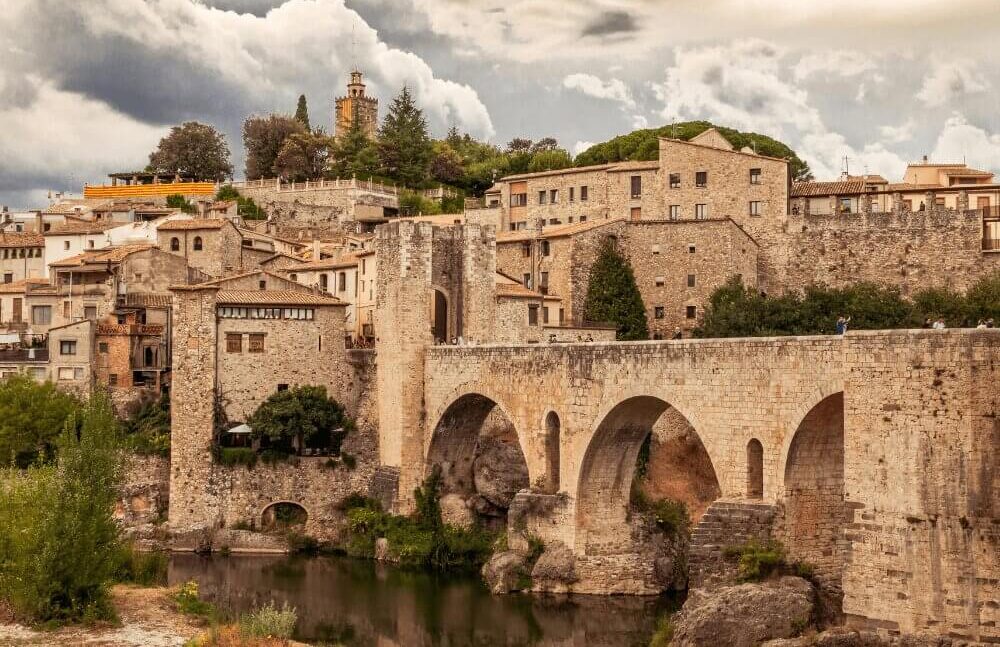

Spain historic cities offer one of the most immersive travel experiences for those who enjoy exploring on foot. Walking through historic districts allows you to experience architecture, culture, and atmosphere in a much deeper way compared to fast paced travel.
The charm of Spain historic cities lies in their narrow streets, vibrant squares, and layers of history that unfold step by step as you move through them. Unlike modern urban areas, historic city centers are often designed for walking rather than driving.
This makes them perfect for slow travel. You can notice small details like stone textures, balconies, hidden courtyards, and local life that would otherwise be missed.
Because of this, planning a walking focused route across Spain historic cities helps you connect more naturally with each destination. Another advantage of walking routes is flexibility. You are not tied to strict schedules or transport systems.
You can stop at a café, explore a quiet street, or spend more time in a place that catches your interest. This creates a more personal and memorable travel experience. With the right planning, a Spain historic cities route becomes not just a trip but a journey shaped by your pace and curiosity.
In this guide, you will learn how to select the best routes, explore key highlights, plan daily walks, choose the right season, and manage your travel budget while discovering Spain historic cities in the most effective way.
How To Choose The Best Walking Routes Across Spain Historic Cities
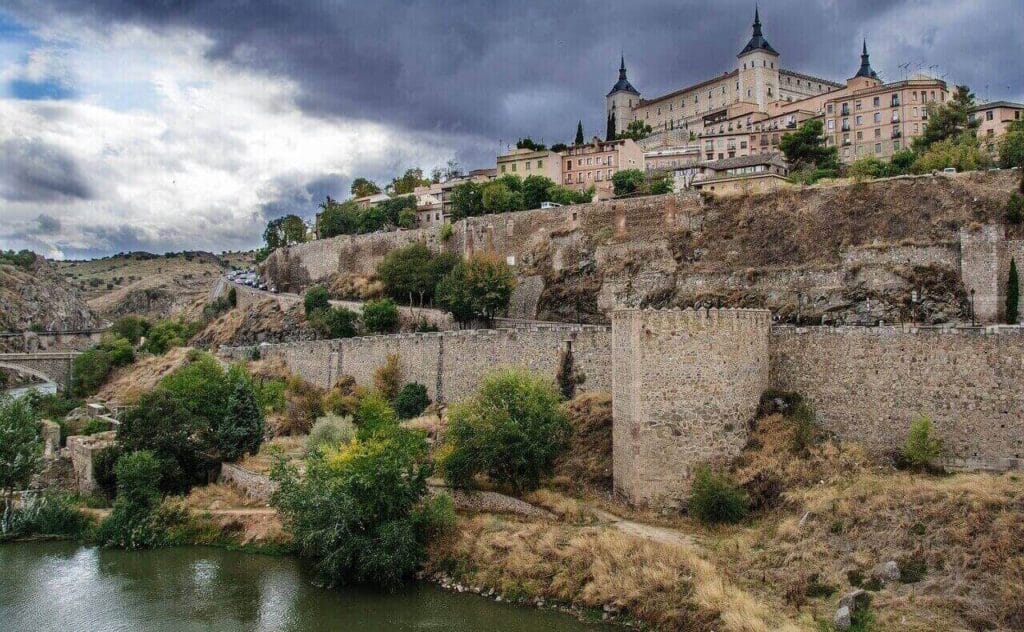
Choosing the right route is essential for making the most of your Spain historic cities experience. Each city has a unique structure, and not all areas are equally suitable for walking. The key is to focus on historic centers where landmarks, streets, and cultural points are concentrated.
Start by identifying the old town areas. These are usually compact and filled with historical elements such as churches, plazas, and traditional buildings. Walking within these zones allows you to see multiple attractions without long distances.
This makes your Spain historic cities route more efficient and enjoyable. It is also important to consider distance between cities. Selecting cities within the same region reduces travel time and allows you to spend more time walking rather than commuting.
Regions like Andalusia or central Spain offer clusters of historic cities that are easy to connect. Avoid overloading your route with too many stops. Visiting fewer cities with more time in each location leads to a deeper experience.
Walking slowly and exploring details creates more meaningful memories than rushing between destinations. By focusing on accessibility, distance, and balance, you can design a Spain historic cities route that feels smooth, structured, and rewarding.
Spain Historic Cities Highlights Squares Streets Landmarks And Old Town Stops
The highlights of Spain historic cities are often found in their central squares, narrow streets, and iconic landmarks. These elements form the core of the walking experience and define the character of each city.
Squares are usually the social heart of historic cities. They are surrounded by cafés, historic buildings, and open spaces that invite you to pause and observe. Spending time in these areas allows you to experience local life while resting during your walk.
Streets in historic cities are often narrow and full of detail. Stone walls, balconies, and small shops create a constantly changing visual experience. Walking through these streets is one of the most enjoyable parts of exploring Spain historic cities.
Landmarks such as cathedrals, palaces, and historic monuments provide important cultural context. These stops help you understand the history and significance of each location. However, it is important not to rush through them. Taking time to observe details adds depth to your experience.
Combining these elements creates a balanced route. By moving between squares, streets, and landmarks, your Spain historic cities walk becomes dynamic and engaging.
How To Plan A Daily Walk Timing Rest Breaks And Local Transport Options
A well planned daily schedule is essential for enjoying Spain historic cities without exhaustion. Walking for long hours without structure can lead to fatigue and reduce the overall quality of the experience.
Start your day early when temperatures are cooler and streets are less crowded. Morning hours are ideal for walking and exploring key areas. This allows you to cover important spots before peak tourist times. Plan regular breaks throughout the day.
Squares, cafés, and shaded areas are perfect for short rests. These pauses help maintain energy and improve focus during your walk. Balanced pacing is key to a successful Spain historic cities itinerary. Consider using local transport when needed.
If distances become too long, short bus or metro rides can help you save energy for walking in more interesting areas. Combining walking with transport creates a more sustainable plan. Avoid trying to see everything in one day.
Instead, focus on a few key areas and explore them properly. This approach leads to a more relaxed and enjoyable experience. With proper timing, rest, and flexibility, your Spain historic cities daily plan becomes both efficient and comfortable.
Best Time To Visit Spain Historic Cities Weather Crowds And Seasonal Comfort
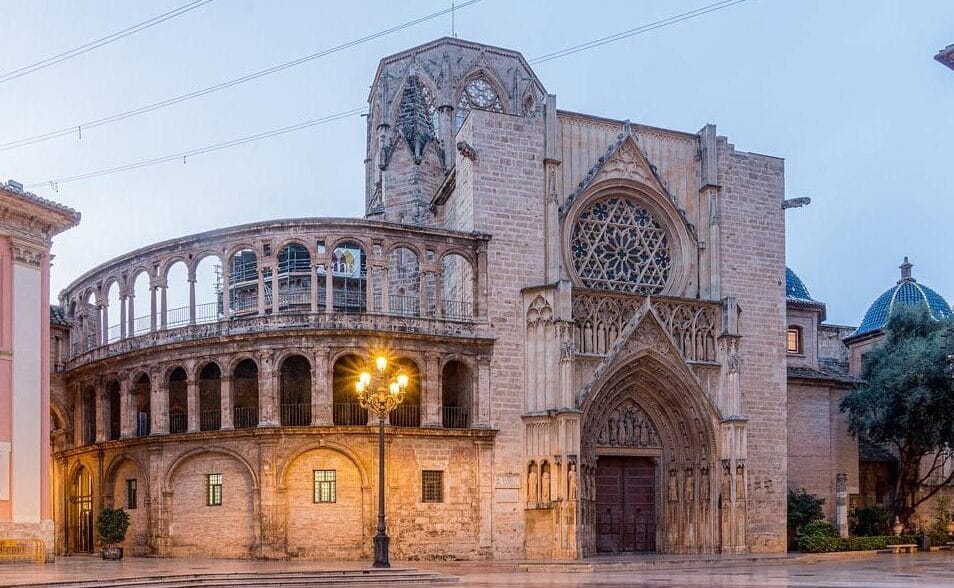
Timing plays a major role in how enjoyable your Spain historic cities trip will be. Weather conditions, crowd levels, and seasonal atmosphere all influence the walking experience. Spring and autumn are generally the best seasons.
Temperatures are moderate, making long walks more comfortable. Crowds are also more manageable compared to peak summer months. These conditions create an ideal balance for exploring Spain historic cities.
Summer offers longer daylight hours, which allows for extended exploration. However, high temperatures can make walking challenging, especially in the afternoon. Planning early morning and evening walks becomes essential during this season. Winter provides a quieter experience.
While some regions may be cooler, fewer tourists mean more space to explore. This can make your Spain historic cities route feel more authentic and relaxed. Choosing the right season depends on your priorities. Comfort, atmosphere, and crowd levels should all be considered when planning your trip.
Spain Historic Travel Tips Food Accommodation And Budget Planning
Planning your budget is an important part of any Spain historic cities trip. With the right choices, you can enjoy a high quality experience without overspending. Food is one of the highlights of traveling in Spain. Instead of dining in tourist heavy areas, explore smaller local restaurants.
These places often offer better value and more authentic flavors. This approach enhances your Spain historic cities experience. Accommodation should be chosen carefully. Staying near historic centers allows easy access to walking routes while saving time on transport.
However, slightly outside the center can offer better prices while still being convenient. Managing daily expenses is also important. Simple strategies such as combining meals, using local markets, and planning activities in advance can help control costs.
These small decisions make a big difference over the course of the trip. Balancing comfort and cost ensures a smoother journey. With smart planning, your Spain historic cities experience can be both affordable and memorable.
See you in the next post,
Anil UZUN