

Cultural heritage sites represent the most meaningful physical traces of human civilization, reflecting how societies lived, believed, built, and evolved over centuries. These places are not just tourist attractions or historical landmarks; they are living records of collective memory and cultural identity.
From ancient cities carved into rock to carefully preserved historic town centers, cultural heritage sites connect modern travelers with the roots of humanity in a way no book or documentary can fully replicate. Visiting cultural heritage sites offers more than visual appreciation.
It allows travelers to understand how geography shaped civilizations, how belief systems influenced architecture, and how communities adapted to social and environmental challenges. These places tell stories of innovation, resilience, and shared human experience.
Whether standing in front of a monumental structure or walking through a centuries-old street layout, visitors gain insight into the values and priorities of past generations. In a world of fast-paced travel and digital experiences, cultural heritage sites provide depth and context.
They encourage slower, more mindful exploration and invite visitors to engage with history respectfully. Preserving and understanding these sites is not only about protecting stones and structures but about safeguarding the cultural narratives they embody for future generations.
Why Cultural Heritage Sites Matter: History, Identity, And Preservation

Cultural heritage sites matter because they serve as tangible links between the past and the present. They allow historians, researchers, and everyday visitors to interpret historical events through physical evidence rather than abstract descriptions.
Architectural styles, construction techniques, and spatial organization reveal how societies functioned, governed, and expressed creativity across different eras. Beyond historical value, cultural heritage sites play a crucial role in shaping identity.
For local communities, these sites often represent pride, continuity, and belonging. They reinforce a sense of place and cultural ownership, helping communities maintain connections to traditions that might otherwise fade.
When preserved and presented responsibly, cultural heritage sites strengthen cultural confidence and encourage intergenerational learning. Preservation is essential because cultural heritage sites are vulnerable to many threats.
Urban expansion, climate change, mass tourism, and neglect can all cause irreversible damage. Preservation efforts go far beyond simple restoration. They include sustainable visitor management, legal protection, community involvement, and ongoing maintenance.
The goal is not to freeze sites in time but to allow them to exist meaningfully within modern life. Protecting cultural heritage sites ensures that future generations can learn from the past firsthand. These sites act as open classrooms, cultural bridges, and reminders that human history is shared rather than isolated.
How Cultural Heritage Sites Are Chosen: UNESCO Criteria And Evaluation Basics
The selection of cultural heritage sites at an international level is most commonly associated with UNESCO, which uses strict and detailed criteria to determine global significance. A site must demonstrate outstanding universal value, meaning it holds importance not just for one country but for humanity as a whole.
This value may stem from artistic achievement, historical influence, cultural traditions, or exceptional architectural design. Evaluation begins with authenticity and integrity. Authenticity refers to how much of the original structure, materials, and design remain intact.
Integrity examines whether the site still conveys its historical meaning without fragmentation or excessive alteration. A site that has lost its context or been heavily modified may struggle to meet these standards. Another critical factor is long-term protection.
Authorities must demonstrate that effective conservation plans are in place. This includes legal frameworks, management strategies, and resources dedicated to safeguarding the site. UNESCO also evaluates how tourism is handled, as uncontrolled visitor numbers can threaten a site’s survival.
Being recognized as a cultural heritage site brings global visibility, but it also brings responsibility. Inclusion is not an endpoint; it marks the beginning of continuous monitoring and preservation commitments to ensure the site remains meaningful and protected.
Cultural Heritage Sites In Europe: City By City Highlights And Short Routes
Europe offers one of the highest concentrations of cultural heritage sites in the world, largely due to its long urban history and layered civilizations. Many European cities have preserved their historic centers while integrating them into modern urban life.
Walking through these areas often means passing through centuries of architectural and cultural evolution within a few blocks. What makes European cultural heritage sites particularly accessible is their compact nature.
City-based routes allow travelers to explore multiple landmarks in a short period. Historic squares, religious buildings, civic structures, and residential quarters often exist side by side, creating cohesive cultural landscapes rather than isolated monuments.
European preservation practices also emphasize adaptive reuse. Historic buildings are frequently repurposed as museums, cultural centers, or public spaces while maintaining their original character. This approach keeps sites active and relevant rather than turning them into static exhibits.
Short cultural routes across Europe enable travelers to understand regional differences while recognizing shared influences. Roman foundations, medieval fortifications, Renaissance design, and industrial heritage all coexist, offering rich comparative experiences within relatively small geographic areas.
Highlights Across Asia, Africa, And The Americas: Variety By Continent
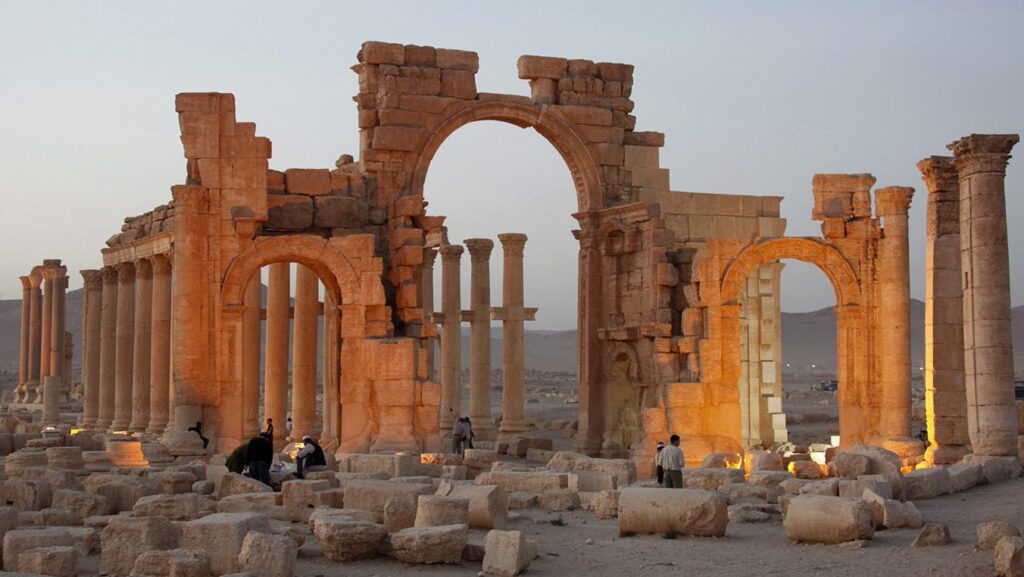
Outside Europe, cultural heritage sites reveal an even broader range of expressions shaped by climate, belief systems, and social organization. In Asia, many cultural heritage sites are closely tied to spiritual practices.
Temples, sacred landscapes, and ceremonial complexes often remain active religious spaces, blending daily life with historical continuity. African cultural heritage sites frequently emphasize harmony between human settlement and natural surroundings.
Many sites reflect community-based traditions, oral histories, and sustainable land use rather than monumental architecture alone. These locations highlight cultural resilience and deep-rooted connections to environment and ancestry.
In the Americas, cultural heritage sites span indigenous civilizations, colonial settlements, and modern historical landmarks. This layered history allows visitors to trace dramatic social and cultural transformations across centuries.
Many sites focus on indigenous knowledge systems, agricultural practices, and urban planning long before modern development. Together, these continents demonstrate that cultural heritage sites are not uniform.
Each reflects unique cultural responses to universal human needs, offering travelers diverse perspectives on how societies interpret identity, spirituality, and survival.
Travel Planning For Top Landmarks: Tickets, Timing, Crowds, And Local Rules
Proper planning is essential when visiting major cultural heritage sites, especially those with high visitor demand. Many popular landmarks require advance ticket reservations to manage crowd levels and protect fragile structures. Booking early not only ensures entry but often provides access to quieter time slots.
Timing plays a crucial role in the visitor experience. Early mornings, weekdays, and off-season periods typically offer more relaxed exploration. Weather conditions should also be considered, as some cultural heritage sites are located outdoors or in environments affected by seasonal extremes.
Understanding and respecting local rules is equally important. Some sites enforce dress codes, restrict photography, or limit access to certain areas. These guidelines exist to preserve cultural integrity and ensure respectful interaction with local communities.
Travelers who approach cultural heritage sites with preparation and awareness gain more meaningful experiences. Thoughtful planning transforms a visit from simple sightseeing into cultural engagement rooted in respect and understanding.
See you in the next post,
Anil UZUN