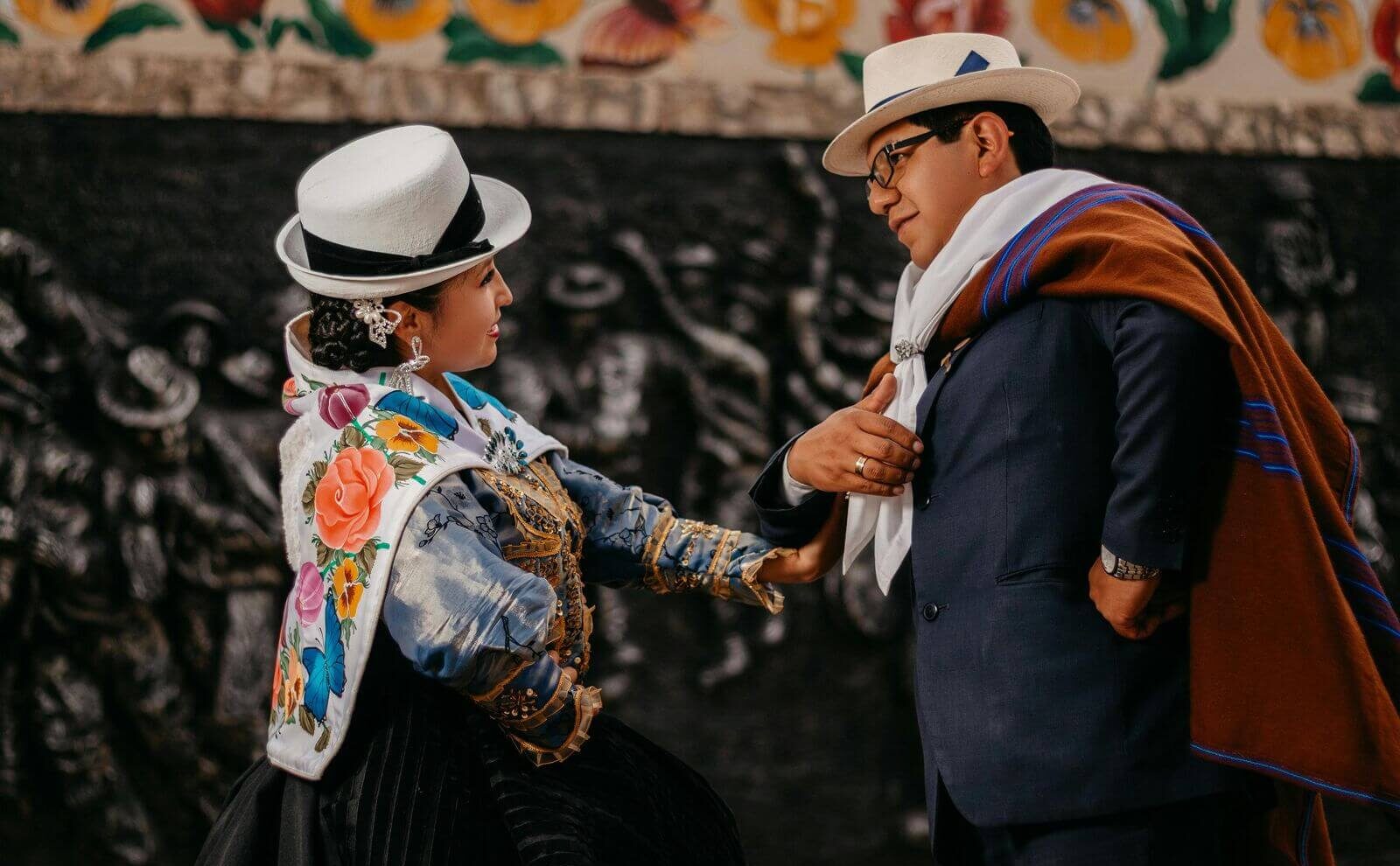

Peruvian indigenous traditions are one of the most meaningful parts of traveling in Peru because they are still alive in daily life, not only in museums or special events. When you travel with curiosity and respect, you can experience culture through markets, food rituals, music, clothing, and community values.
This guide focuses on how to understand Peruvian indigenous traditions more clearly, where to see them, and how to plan a respectful trip without turning culture into a tourist show.
Where Peruvian Indigenous Traditions Are Most Visible: Regions, Communities, And Cultural Context
To experience Peruvian indigenous traditions, it helps to choose the right regions. In the Andes, traditions are strongly connected to nature, farming cycles, weaving, and community life.
Places around Cusco, the Sacred Valley, and Lake Titicaca often feel culturally rich because you can see traditional clothing, markets, and local crafts as part of real routine. You may notice that many customs are linked to mountains, seasons, and collective work, which creates a strong sense of identity.
In the Amazon, Peruvian indigenous traditions appear in a different way. Daily life can be shaped by rivers, rainforest knowledge, and natural medicine. Community stories and local guidance are often important in understanding how people live with the environment.
Because tourism in the Amazon can sometimes feel overly commercial, choosing ethical local experiences makes a big difference. Even on the coast, Peruvian indigenous traditions still influence food heritage, music styles, and social customs.
The key is to spend time in places where locals live and gather, not only in heavily touristic areas. Smaller towns, local markets, and family-run businesses often provide a more authentic cultural connection than fast sightseeing schedules.
Festivals And Rituals You Might Encounter: Timing, Meaning, And What To Expect
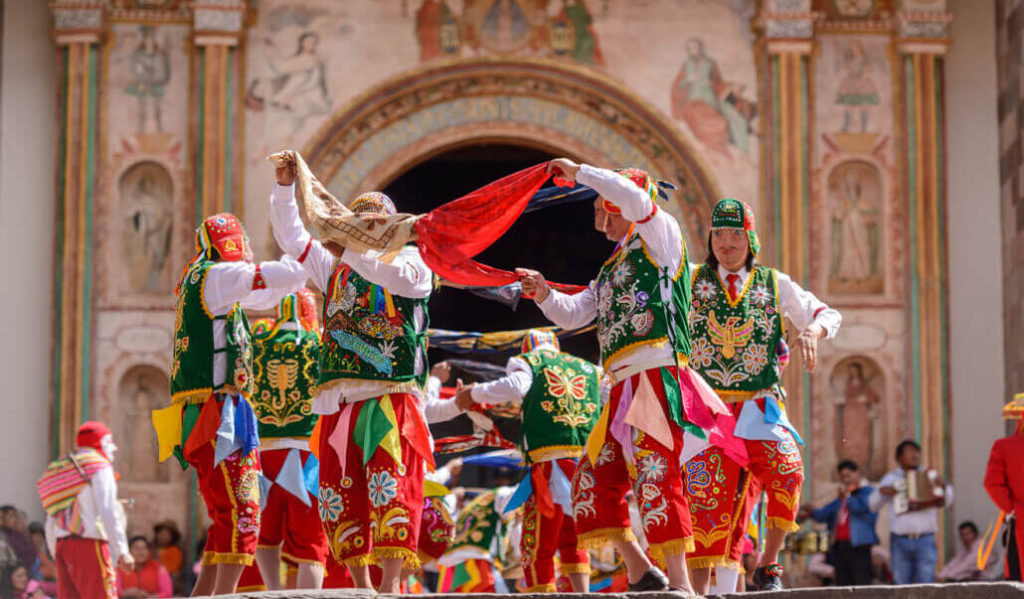
Festivals are one of the most exciting ways to see Peruvian indigenous traditions because they combine music, dance, food, and community pride. Many celebrations are tied to the agricultural calendar, local saints, or seasonal changes.
Events may last several days, with families preparing costumes, decorations, and meals together. Even if you do not understand every symbol, you can feel how important the event is to community identity.
Many Peruvian festivals mix indigenous beliefs with religious elements, creating traditions that feel unique and deeply local. As a visitor, the best approach is to observe respectfully and follow the tone of the crowd.
If a moment becomes quiet and serious, it is better to step back and avoid interrupting with loud conversations or constant photos. When planning around Peruvian indigenous traditions, remember that popular festivals can increase prices and crowds.
If you prefer calmer experiences, smaller regional celebrations may feel more genuine. Ask locals what is happening during your travel dates, because small community events often provide the deepest cultural insight.
Everyday Culture In Practice: Markets, Food Customs, Music, And Dress
You can understand Peruvian indigenous traditions even without festivals by focusing on daily life. Markets are one of the best places to see culture naturally.
You will find local ingredients, handmade goods, and strong social interaction. Markets are not only shopping places, they are social centers where people meet, share news, and keep traditions active.
Food customs are another powerful part of Peruvian indigenous traditions. In the Andes, meals are often warm, filling, and seasonal, reflecting the local climate. In other areas, food may be lighter and influenced by local geography.
Choosing family-run cafés or local food stalls can help you taste what people actually eat every day, not only what tourists expect. Traditional clothing, music, and small community habits also tell a story. In many regions, people wear traditional items because they represent identity, not because they are trying to impress visitors.
Music may appear in everyday moments, from street performances to family gatherings. The best way to connect is to slow down and pay attention to details, because Peruvian indigenous traditions often live in small routines.
Respectful Visitor Etiquette: Photos, Gifts, Language Tips, And Boundaries
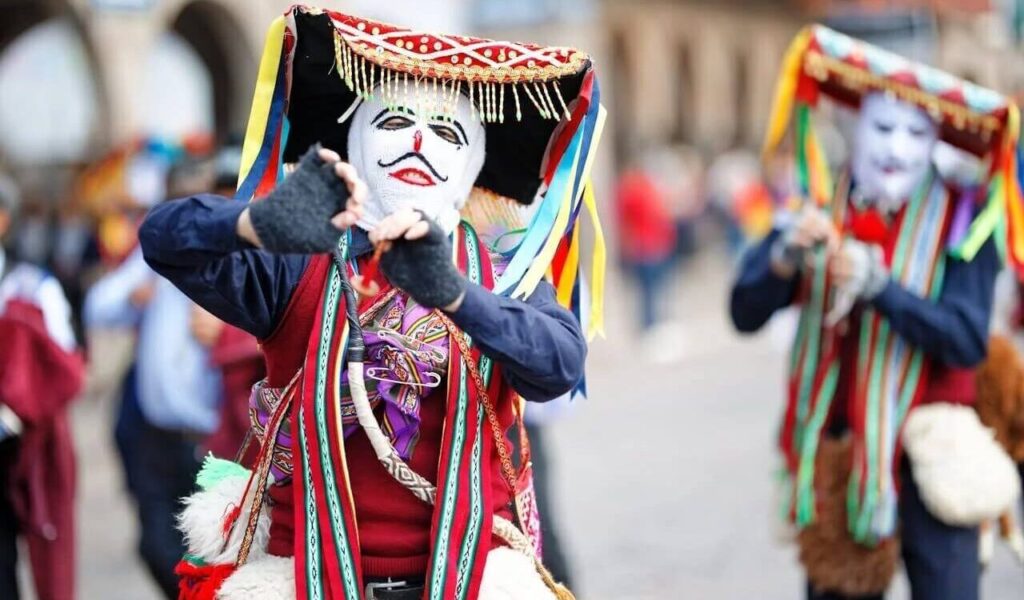
Respect matters when experiencing Peruvian indigenous traditions, especially with photography. Always ask permission before taking close-up photos of people, and accept “no” politely if someone refuses.
In some places, people may ask for a small tip for photos. This can be a normal part of how tourism supports local income. If you do not feel comfortable, simply avoid taking the photo and focus on the experience instead.
Supporting communities is better than giving random gifts. Buying local crafts, paying fair prices, and using local services is a respectful way to contribute. Bargaining is common, but aggressive bargaining can feel disrespectful, especially when crafts require time and skill.
Fair payments help protect Peruvian indigenous traditions by supporting the people who keep them alive. Learning basic Spanish greetings also helps. Even small efforts show respect. Speak calmly, avoid stepping into private spaces without invitation, and follow local rules during ceremonies or community visits.
Boundaries are important because cultural life is not designed as entertainment, and Peruvian indigenous traditions deserve the same respect you would give any community’s personal space.
Planning A Trip Around Peruvian Indigenous Traditions: Guides, Transportation, And Safety Basics
Planning a trip focused on Peruvian indigenous traditions works best when you travel slower. Instead of rushing across many regions, choose fewer places and stay longer. This gives you time to visit markets, join local experiences, and build real cultural understanding.
A slower pace also makes your trip more comfortable and meaningful. A good local guide can improve the experience because they explain cultural context and help you avoid disrespectful situations. If possible, choose guides or tours that work directly with local communities and provide fair benefits.
This makes your travel more ethical and also more authentic. Transportation in Peru can take time, especially in mountainous areas. Plan extra time for road travel, and consider altitude adjustment if you are visiting highland regions.
Staying hydrated and resting helps you enjoy activities more comfortably. Basic safety rules also apply, like protecting valuables in crowded areas and staying aware in unfamiliar neighborhoods. When you plan with flexibility, you leave room for unexpected cultural moments.
A market day, a small parade, or a local meal invitation can become the highlight of your trip. That is when Peruvian indigenous traditions feel most real, because you are experiencing them naturally instead of chasing them like a checklist.
See you in the next post,
Anil UZUN