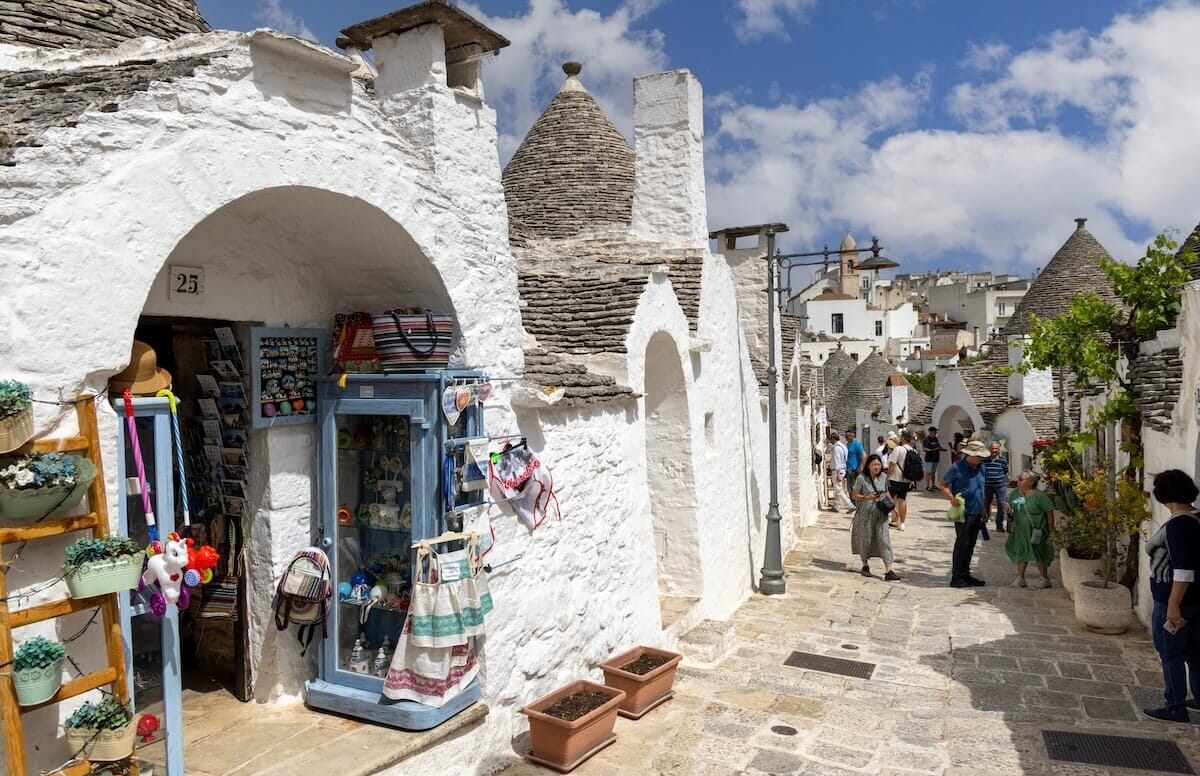

Small towns in Italy offer a completely different perspective compared to the fast-paced and crowded major cities. Instead of rushing between landmarks, these destinations allow travelers to slow down and experience the true rhythm of Italian life.
From quiet piazzas to narrow stone streets, every detail reflects authenticity and cultural depth. This is why small towns in Italy are becoming increasingly popular among travelers seeking meaningful experiences rather than surface-level tourism.
One of the most appealing aspects of small towns in Italy is the sense of connection. You are not just visiting a place, you are stepping into a lifestyle. Locals greet each other in the streets, small cafes serve freshly made coffee, and daily life unfolds at a relaxed pace.
This environment creates a more immersive travel experience. In addition to cultural richness, these towns offer stunning visual landscapes. Whether you are exploring rolling hills, coastal cliffs, or historic architecture, small towns in Italy provide endless opportunities for discovery and photography.
Another advantage is the flexibility they offer. You can design your own route, spend more time in places you love, and avoid the stress of crowded tourist spots. This makes small towns in Italy ideal for travelers who value freedom and depth in their journeys.
With the right planning, exploring small towns in Italy can become one of the most rewarding travel experiences you will ever have.
Small Towns In Italy For Scenic Regional Routes Tuscany Umbria And Southern Italy
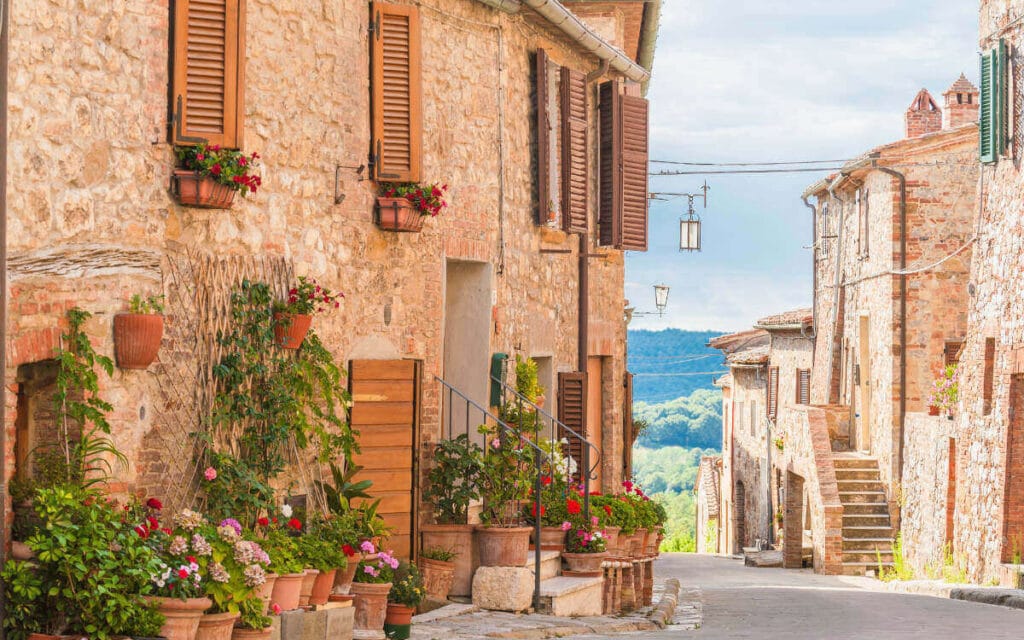
When planning a route through small towns in Italy, choosing the right region is essential. Tuscany is often the first choice due to its iconic landscapes and well-preserved villages. Rolling hills, vineyards, and historic towns like San Gimignano and Pienza create a perfect setting for exploration.
These destinations represent the classic image of small towns in Italy. Tuscany also offers excellent connectivity between towns, making it easy to explore multiple locations in a single trip. Driving through the countryside becomes part of the experience itself.
Umbria provides a quieter and more authentic alternative. Towns such as Assisi and Spello offer rich history and a peaceful atmosphere without heavy tourist crowds. For travelers looking to explore small towns in Italy in a more relaxed way, Umbria is an excellent choice.
Southern Italy introduces a completely different energy. In regions like Puglia, towns such as Alberobello and Ostuni stand out with unique architecture and vibrant colors. Coastal destinations along Amalfi offer dramatic views and lively surroundings.
This variety shows that small towns in Italy are not limited to one style. Each region offers its own character, allowing travelers to build routes that match their preferences.
When To Go Weather Crowds And The Best Seasonal Views
Choosing the right time to visit small towns in Italy can significantly impact your experience. Each season brings its own advantages and challenges, so understanding these differences is key. Spring is one of the best times to explore. The weather is mild, flowers are in bloom, and the countryside looks vibrant.
Walking through villages becomes more enjoyable, making it ideal for discovering small towns in Italy comfortably. Autumn is equally appealing. The crowds begin to decrease, and the landscape transforms into warm tones.
Harvest season also brings fresh local products, adding a culinary dimension to your trip. Visiting small towns in Italy during this period often feels more authentic. Summer is the busiest season. While coastal areas are lively and attractive, inland towns can become hot and crowded.
Planning early mornings or late afternoons can help you enjoy small towns in Italy without discomfort. Winter offers a quieter experience. Fewer tourists mean lower prices and more interaction with locals.
Although some attractions may close, this season allows you to experience small towns in Italy in a more genuine way. Overall, spring and autumn provide the best balance between weather, scenery, and crowd levels.
Car Or Train Choosing The Right Transport And Stay Options
Transportation plays a major role when visiting small towns in Italy. While trains are efficient for connecting major cities, they are not always the best option for reaching smaller destinations. Trains offer speed and comfort, but they often require additional transfers when heading to rural areas.
This can limit flexibility when exploring small towns in Italy. Renting a car is usually the most practical solution. It allows you to travel at your own pace, stop at scenic points, and explore hidden locations along the way. Driving is especially beneficial in regions like Tuscany and Umbria.
Another advantage of using a car is the ability to create flexible itineraries. Instead of following strict schedules, you can spend more time in places you enjoy most while discovering new small towns in Italy along the route.
For accommodation, boutique hotels and local guesthouses are highly recommended. These options provide a more authentic atmosphere compared to large hotels. Staying in traditional buildings enhances your connection to small towns in Italy and their culture.
Choosing the right transport and accommodation can transform your trip into a more comfortable and immersive experience.
Small Towns In Italy Worth Adding To Your Route For Local Atmosphere And Character
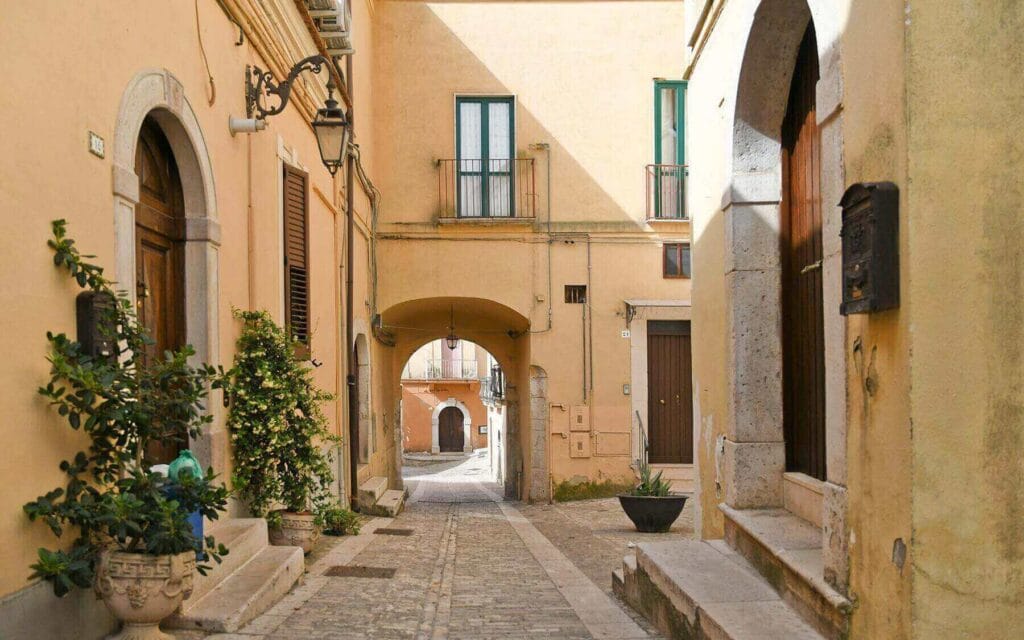
There are many destinations worth visiting when exploring small towns in Italy, each offering unique charm and character. San Gimignano is one of the most well-known, famous for its medieval towers and historic streets.
It perfectly represents the timeless appeal of small towns in Italy. Civita di Bagnoregio offers a dramatic setting, accessible only by a pedestrian bridge. Its isolated location creates a unique and memorable experience. Alberobello stands out with its distinctive trulli houses.
This architectural style makes it one of the most recognizable small towns in Italy. Positano, located along the Amalfi Coast, combines colorful buildings with breathtaking sea views. It is one of the most photographed destinations among small towns in Italy.
What truly defines these places is their atmosphere. Small cafes, local markets, and quiet streets create a welcoming environment. Experiencing daily life in small towns in Italy often becomes the highlight of any trip.
Budget Food And Daily Travel Tips For A Smoother Trip
Traveling through small towns in Italy can be more affordable than visiting major cities, but planning remains important. Accommodation prices vary depending on the season, so early booking is recommended. Food is one of the most rewarding parts of the journey.
Local restaurants, especially family-run ones, offer authentic meals at reasonable prices. Dining in these places allows you to experience the true flavors of small towns in Italy. Daily planning should focus on quality rather than quantity.
Visiting fewer places and spending more time in each location provides a deeper experience. This approach aligns perfectly with the relaxed nature of small towns in Italy. Starting your day early helps avoid crowds and provides better conditions for exploration. Evenings are ideal for enjoying local culture and atmosphere.
Interacting with locals can also enhance your trip. They often share valuable recommendations that are not found in travel guides. This makes your experience in small towns ın Italy more personal and memorable. With the right approach, exploring small towns ın Italy becomes a smooth and unforgettable journey.
See you in the next post,
Anil UZUN