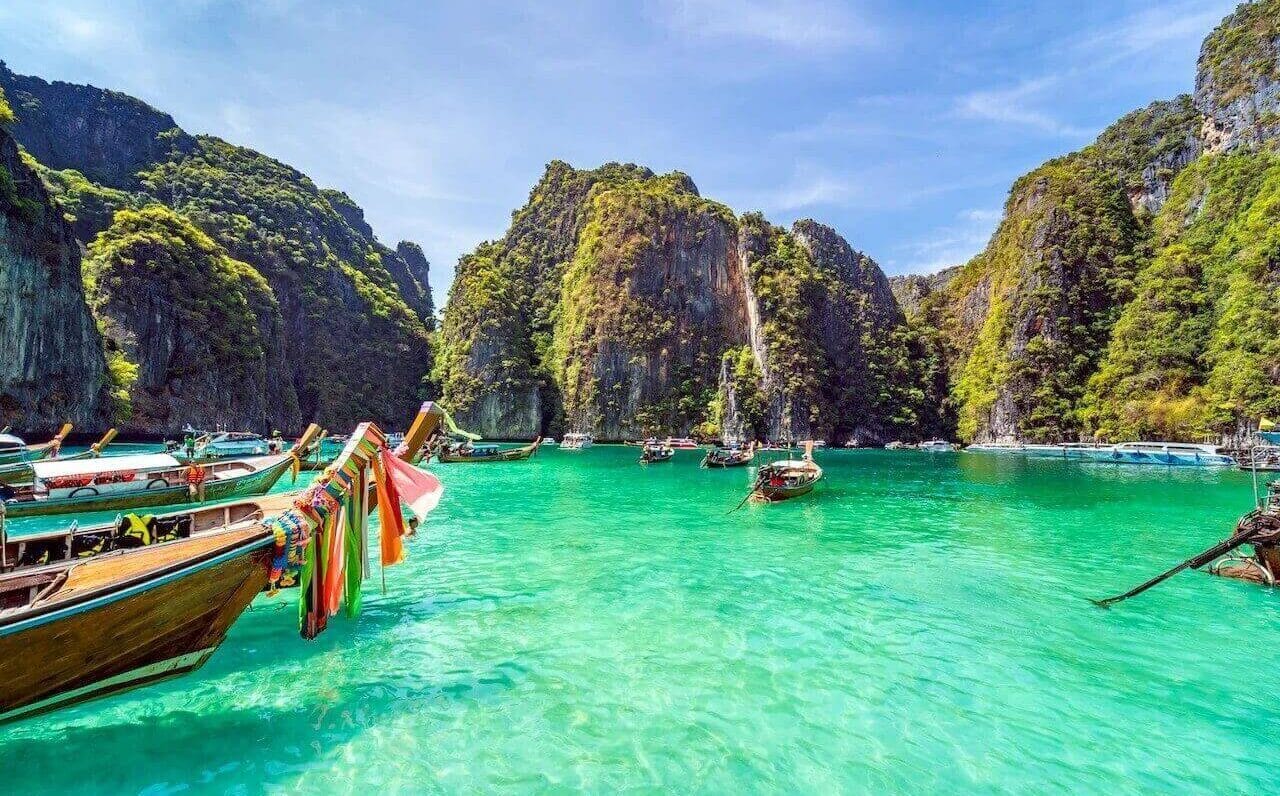

A well planned thailand travel guide should bring together cities, islands, temples, beaches, nature, food, and enough free time to enjoy the country without rushing. Thailand is one of Southeast Asia’s most flexible travel destinations because it can suit first time visitors, beach lovers, cultural travelers, backpackers, couples, and food focused tourists.
Bangkok, Phuket, and Chiang Mai are often the most practical starting points, but places such as Krabi, Koh Samui, Ayutthaya, Chiang Rai, and Phi Phi Islands can make the route richer. Thailand is not a country to plan only by choosing famous places.
The best route depends on the season, trip length, budget, transport choices, and personal travel style. Some travelers may want temples and city life, while others may prefer beaches, boat tours, islands, and quiet nature. A balanced plan can combine all of these in a comfortable way.
This guide explains how to choose the best first stops, plan a Bangkok, Phuket, and Chiang Mai route, balance different experiences, select the right season, and organize budget, transport, accommodation, and local food.
Thailand Travel Guide For Choosing The Best Cities Islands And First Stops
A useful thailand travel guide should begin with clear priorities. Thailand has many attractive destinations, so trying to visit too many places in a short trip can make the journey tiring.
Bangkok is usually the best first stop. It offers temples, markets, street food, shopping areas, river routes, nightlife, and modern city energy. The city can feel busy, but it gives travelers a strong introduction to Thailand’s culture and daily rhythm.
Chiang Mai is a good choice for travelers who want a slower, more cultural atmosphere. Its old city, temples, night markets, cafés, mountain surroundings, and local crafts make it very different from Bangkok. Phuket is one of the most popular island destinations.
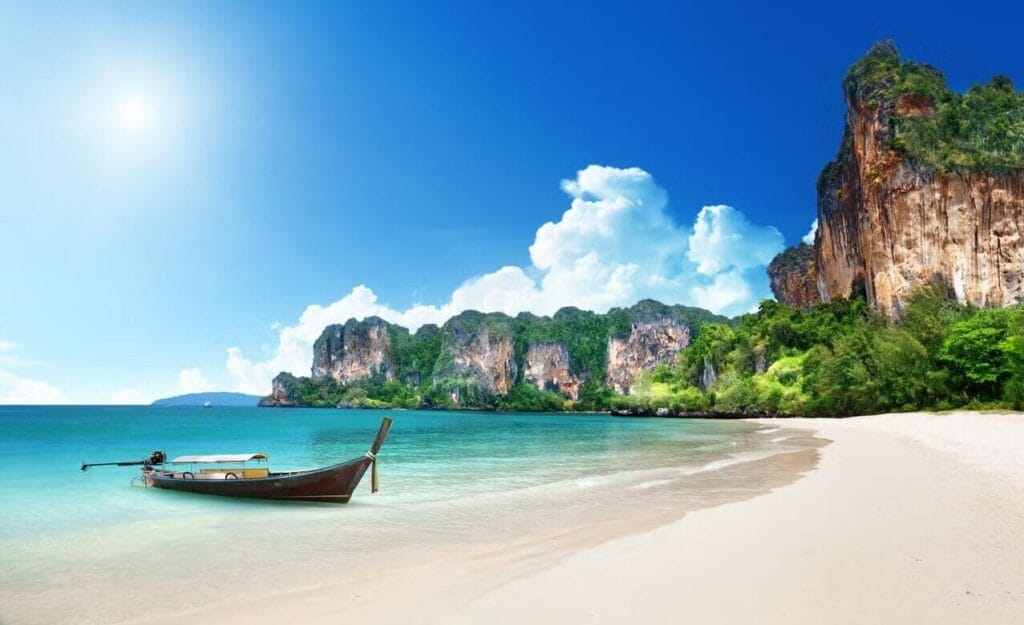
It works well for beach time, boat tours, nightlife, viewpoints, and access to nearby islands. Travelers who want more natural scenery may also consider Krabi. Koh Samui, Koh Phangan, and Koh Tao can be added for longer island focused trips.
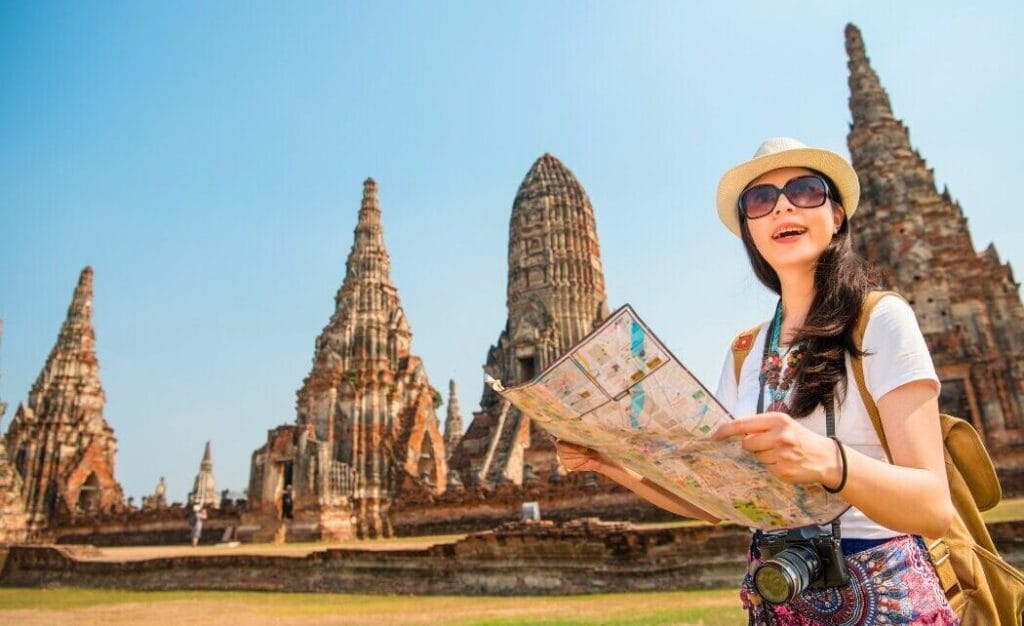
Ayutthaya is useful for history lovers, while Chiang Rai can add northern temples and quieter landscapes. For a short first trip, Bangkok plus one beach destination may be enough. For a longer route, Bangkok, Chiang Mai, and Phuket or Krabi create a more complete experience.
Thailand Travel Guide With Bangkok Phuket And Chiang Mai Route Planning
A classic thailand travel guide route can be built around Bangkok, Phuket, and Chiang Mai. These three destinations create a good balance between city life, culture, nature, and beach relaxation.
Bangkok can be planned for two or three days. The route may include the Grand Palace area, Wat Pho, Wat Arun, Chao Phraya River, local markets, shopping streets, and street food areas. The city is ideal for starting the trip because it introduces Thai culture quickly.
Chiang Mai is better for a slower pace. Travelers can explore temples inside the old city, visit night markets, try northern Thai food, and plan short nature trips around the city. It is also a good place to rest after the intensity of Bangkok.
Phuket brings the beach and island part of the journey. Patong is more active, while Kata, Karon, and quieter areas may suit travelers who prefer a calmer stay. Boat trips to nearby islands or scenic bays can be added if the weather is suitable.
Domestic flights are often useful for saving time between these destinations. Buses and trains can be more budget friendly, but they usually take longer. This three stop route works especially well for travelers who want variety without building an overly complicated itinerary.
How To Balance Beaches Temples Nature And Local Experiences
Thailand is attractive because it offers many different travel experiences. However, a good route needs balance. Too many beach days may feel repetitive, while too many city activities can become tiring.
Temples are important in Bangkok and Chiang Mai. Visitors should dress respectfully, covering shoulders and knees when needed. It is also better to visit popular temples early in the day to avoid heat and crowds. Beach time is best planned with enough flexibility.
Phuket, Krabi, Koh Samui, Koh Tao, and Phi Phi Islands all offer different moods. Some areas are lively and social, while others are quieter and more nature focused. Nature experiences can include waterfalls, viewpoints, national parks, mountain areas, boat tours, snorkeling, and island trips.
These activities should be planned with weather and travel time in mind. Local experiences make the trip more memorable. Night markets, cooking classes, street food, river rides, local cafés, and neighborhood walks can show a more authentic side of the country.
A practical plan might include one city culture day, one temple and market day, one beach day, one boat or nature day, and one slower rest day. This kind of balance helps a thailand travel guide feel enjoyable rather than overloaded.
Thailand Travel Guide For Best Season Trip Length And Travel Comfort
A realistic thailand travel guide should consider season and comfort. Weather can change by region, so the best time depends on the route. In general, the cooler and drier months are often more comfortable for city sightseeing, temple visits, and island travel.
This period can also be busier and more expensive because many travelers prefer it. The hot season can make Bangkok and inland areas more tiring, especially during long walks. In this period, early morning sightseeing, afternoon breaks, and lighter clothing become more important.
The rainy season does not always mean constant rain, but it can affect boat trips, outdoor activities, and island plans. Travelers who visit during this period should keep the schedule flexible. Trip length also matters. A one week trip should stay simple. Bangkok plus Phuket, Krabi, or Chiang Mai can work well.
A ten day trip can include Bangkok, Chiang Mai, and one beach area. A two week trip allows more stops such as Krabi, Koh Samui, Ayutthaya, or Chiang Rai. Comfort is also about pacing. Changing hotels too often can make the trip stressful. Staying longer in fewer places usually creates a better travel experience.
Budget Transport Accommodation And Local Food Tips For A Better Trip
Thailand can fit many budgets, but planning is still important. Flights, hotels, local transport, island transfers, tours, food, and entrance fees should be considered before the trip.
Bangkok has many transport options, including trains, metro lines, taxis, tuk tuks, and river boats. In beach areas, transport can be more limited and sometimes more expensive, so location matters when choosing accommodation.
For accommodation, Bangkok is easier when staying near public transport. In Chiang Mai, staying near the old city can make walking routes simpler. In Phuket or Krabi, staying near the beach or main activity area can save time.
Local food is one of the best parts of the trip. Pad Thai, Tom Yum, green curry, mango sticky rice, Khao Soi, seafood, tropical fruits, and street snacks can all be part of the experience. Street food can be enjoyable, but it is better to choose busy stalls that look clean and serve food fresh.
Carrying water, sunscreen, light clothing, comfortable shoes, and a small rain jacket can also make the trip easier. Boat tours, temple visits, cooking classes, and market walks can add value, but the schedule should not be too crowded.
A thoughtful thailand travel guide should combine culture, food, nature, beaches, and rest. With the right route, Thailand can offer a colorful, comfortable, and memorable travel experience for many different types of visitors.
See you in the next post,
Anil UZUN