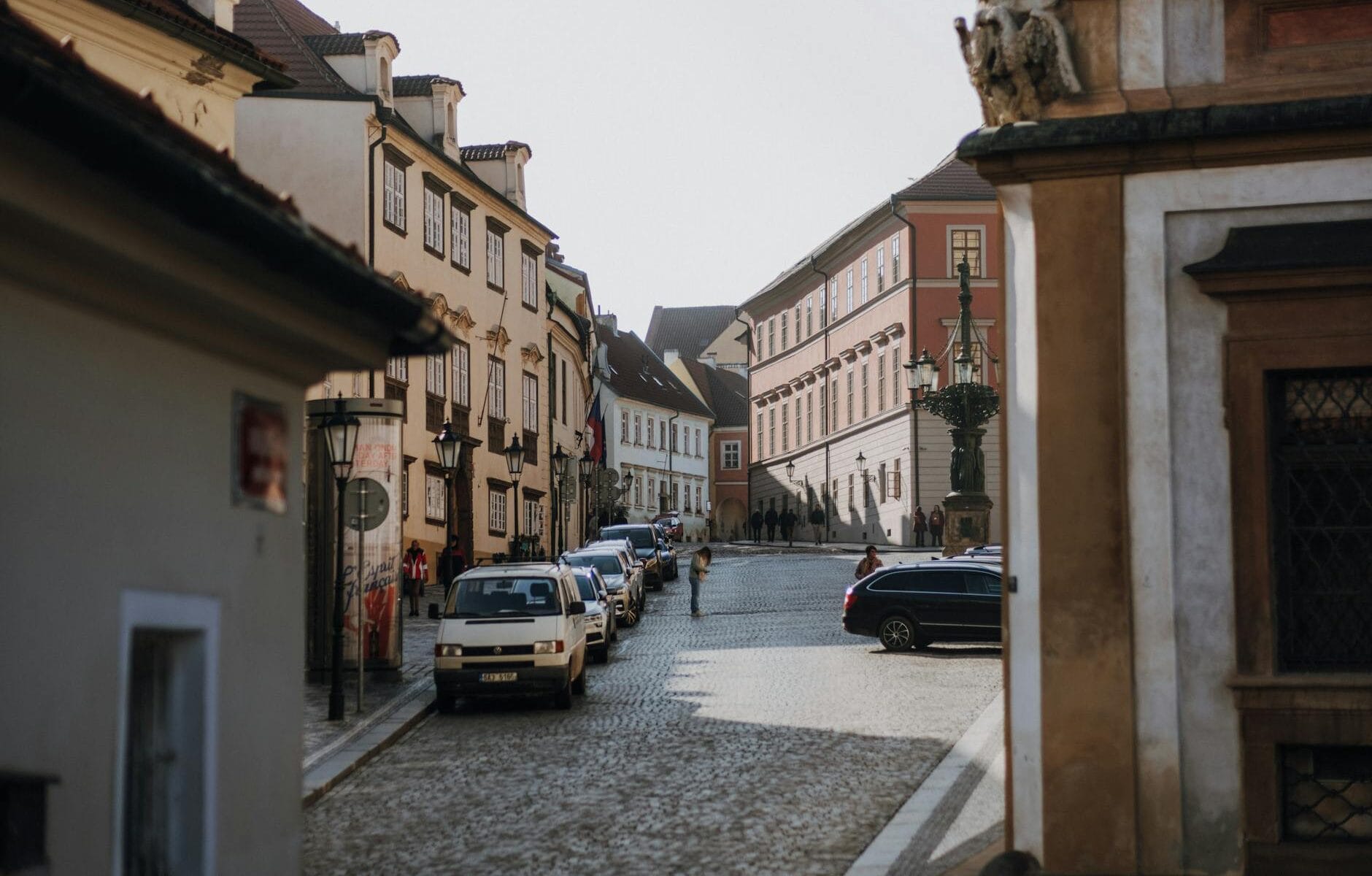

Exploring czech historic cities is one of the best ways to understand the cultural depth and architectural beauty of Czechia. While Prague is the country’s most famous destination, many other cities offer old town squares, medieval streets, castle views, colorful facades, and peaceful local atmospheres.
These places make Czechia a rewarding destination for travelers who enjoy history, culture, and slow city walks. A good route should not focus only on the most popular landmarks. Travel time, season, transport options, accommodation location, and personal interests should all shape the plan.
Some places are perfect for day trips, while others feel more enjoyable with an overnight stay. The charm of czech historic cities comes from their variety. Prague feels grand and iconic, Český Krumlov feels almost fairytale like, Kutná Hora offers strong historical character, and towns such as Telč, Olomouc, and Brno add more regional diversity.
This guide covers the best places to visit, seasonal planning, cultural routes beyond Prague, transport ideas, budget tips, local food, and photo stops for a smoother trip.
Czech Historic Cities Worth Visiting For History Culture And Old Town Atmosphere
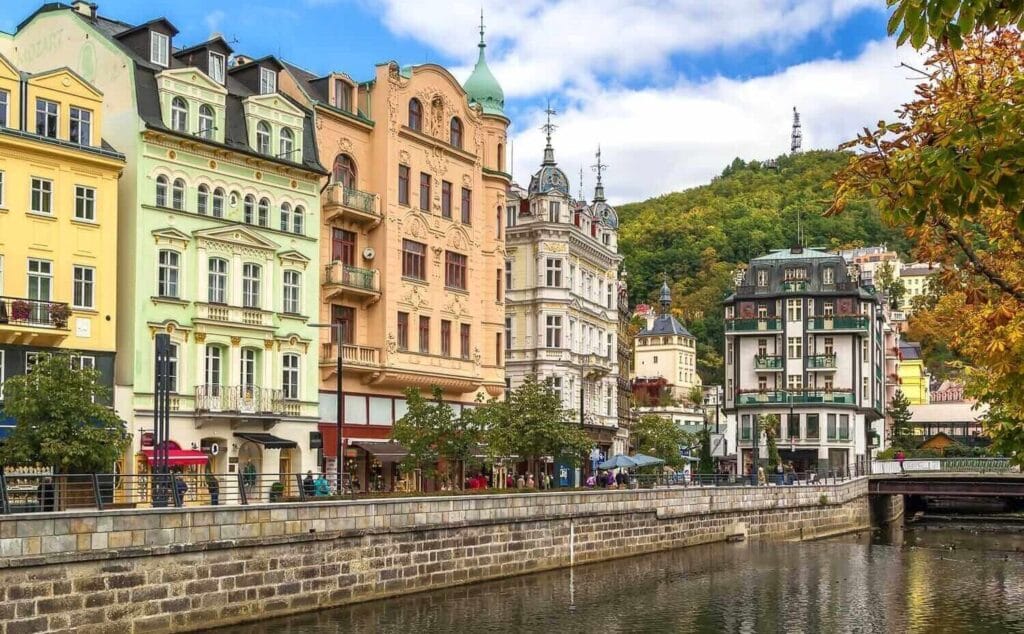
The best czech historic cities combine beautiful architecture with a strong sense of place. Prague is usually the first stop for many travelers. Its Old Town Square, Charles Bridge, Prague Castle, and narrow streets create one of the most memorable historic settings in Europe.
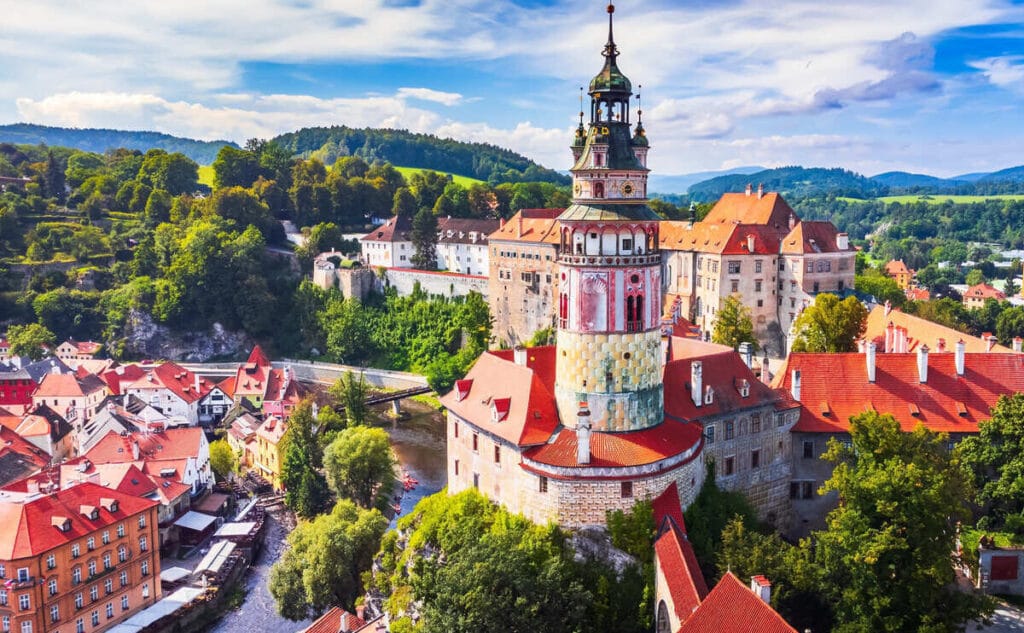
Český Krumlov is another essential destination. Its old town, castle tower, river bends, and red rooftops make it one of the most photogenic places in Czechia. The city is especially appealing for travelers who enjoy medieval atmosphere and scenic viewpoints.
Kutná Hora is a practical day trip from Prague. It offers historic streets, impressive religious landmarks, and a quieter rhythm than the capital. It is a good option for visitors who want to experience another side of Czech history without a long journey.
Telč is known for its elegant square and colorful historic houses. It is calmer than Prague or Český Krumlov, making it ideal for travelers who prefer slower walks and architectural details. Olomouc offers large squares, fountains, churches, and a lively local character.
Brno adds a more urban feeling, with historic landmarks, cafés, and museums. A balanced route through czech historic cities can include Prague for classic beauty, Český Krumlov for scenery, Kutná Hora for history, and Olomouc or Brno for deeper cultural variety.
Czech Historic Cities In Different Seasons And The Best Time To Visit
The experience of visiting czech historic cities changes with each season. Choosing the right time can improve comfort, photography conditions, prices, and crowd levels. Spring is one of the most pleasant seasons.
The weather becomes milder, gardens and parks start to bloom, and walking through old towns feels comfortable. It is a good choice for travelers who want a balance between atmosphere and manageable crowds.
Summer brings long days and lively streets. Outdoor dining, festivals, river walks, and extended sightseeing hours can make the trip enjoyable. However, popular places such as Prague and Český Krumlov can become crowded, especially around main squares and viewpoints. Autumn is excellent for historic city travel.
Softer light, colorful trees, and cooler temperatures create strong conditions for photography. It is also a good season for travelers who prefer a calmer pace. Winter gives Czechia a festive character. Christmas markets, lights, warm cafés, and snow covered rooftops can create a beautiful atmosphere.
The main challenge is shorter daylight, so daily plans should be more focused. For many travelers, spring and autumn are the most balanced periods for exploring czech historic cities. Summer is better for active sightseeing, while winter is ideal for festive city scenes.
Medieval Streets Castles And Cultural Routes Beyond Prague
Prague is an unforgettable city, but travelers who go beyond the capital often discover a richer side of Czechia. Smaller historic towns can feel quieter, more local, and easier to explore on foot. Český Krumlov is one of the strongest examples. Walking through its old town feels like entering a preserved medieval setting.
The castle area, narrow lanes, and river views create a route that is both scenic and atmospheric. Kutná Hora offers a different kind of historical experience. Its old streets and religious landmarks make it a rewarding cultural stop for travelers interested in more than postcard views.
Telč is ideal for visitors who enjoy elegant town squares. Its colorful buildings and peaceful rhythm make it a pleasant destination for slow exploration. Olomouc is another strong alternative beyond Prague. It has historic monuments, wide squares, local restaurants, and a less crowded atmosphere.
Brno can also be included for travelers who want history combined with a modern city feel. Exploring beyond Prague makes czech historic cities more than a simple sightseeing list. It turns the trip into a broader journey through Bohemia and Moravia, where each stop offers a different layer of culture.
Czech Historic Cities With Better Transport Accommodation And Daily Planning
A successful czech historic cities itinerary depends on realistic planning. Czechia has useful train and bus connections, so many historic destinations can be reached without renting a car. Prague is usually the easiest starting point. It has strong transport links and works well as a base for day trips.
Kutná Hora, for example, can be visited from Prague in a single day. Český Krumlov often deserves more time. Although it can be visited as a long day trip, staying overnight allows travelers to enjoy quieter streets in the evening and early morning.
Brno and Olomouc can work as secondary bases. This is useful for travelers who want to explore Moravia without returning to Prague every night. Accommodation near old town centers is usually the most convenient option.
It allows travelers to reach main sights on foot and enjoy the city before or after the busiest hours. Daily plans should leave room for wandering. Historic cities are not only about famous landmarks. Side streets, viewpoints, cafés, and small squares often create the most memorable travel moments.
Trying to fit too many cities into one day can make the route tiring. A slower plan usually creates a better experience and allows each place to feel more meaningful.
Budget Local Food And Photo Stop Tips For A Better Trip
Traveling through czech historic cities can be planned for different budgets. Prague is usually more expensive than smaller towns, while places outside the capital often offer better value for accommodation and meals. Booking early can help control costs, especially in spring, summer, and the winter holiday season.
Staying slightly outside the most central streets may also reduce prices while keeping the old town within walking distance. Local food is an important part of the trip. Czech cuisine often includes soups, roasted meats, dumplings, pastries, and hearty regional dishes.
Smaller local restaurants away from the busiest squares may offer a more authentic experience. For photography, early morning and late afternoon are usually the best times. Softer light makes old streets, rooftops, towers, and squares look more atmospheric. Prague offers classic bridge and skyline views.
Český Krumlov is strong for castle viewpoints and river scenes. Telč is excellent for colorful square compositions, while Kutná Hora provides dramatic church and street photography opportunities. Comfortable shoes are essential because many historic centers have cobblestone streets.
Layered clothing is also useful because weather can change during the day. With smart planning, flexible timing, and attention to local details, czech historic cities can provide a beautiful and memorable Central European travel experience.
See you in the next post,
Anil UZUN