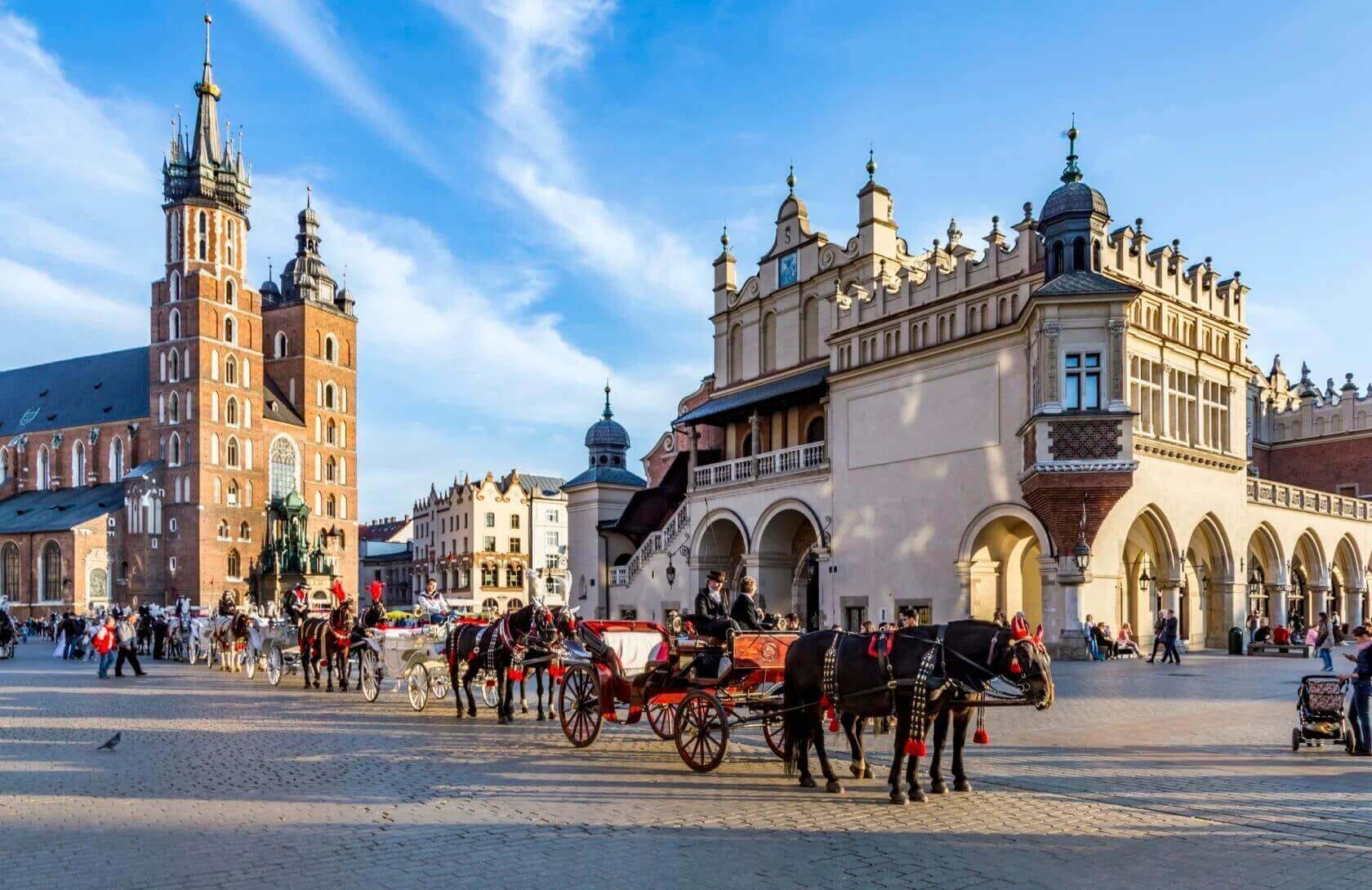

Exploring Poland historic cities is one of the best ways to experience the country’s culture, architecture, and layered history. Poland offers colorful old town squares, Gothic churches, riverside streets, castles, museums, and restored historic centers that make city travel both visual and meaningful.
While Warsaw, Krakow, and Gdansk are often the first choices for visitors, cities such as Wroclaw, Torun, Poznan, Lublin, and Zamosc can also add variety to a cultural route. A good itinerary should not focus only on famous landmarks.
Travel time, season, transport options, accommodation location, and personal interests should all shape the plan. Some cities are ideal for short visits, while others deserve more time for museums, local food, walking routes, and photography.
This guide explores Poland historic cities worth visiting, the best seasons for travel, route ideas through Warsaw, Krakow, and Gdansk, transport planning, budget tips, local food, and photo stops.
Poland Historic Cities Worth Visiting For Culture History And Old Town Atmosphere
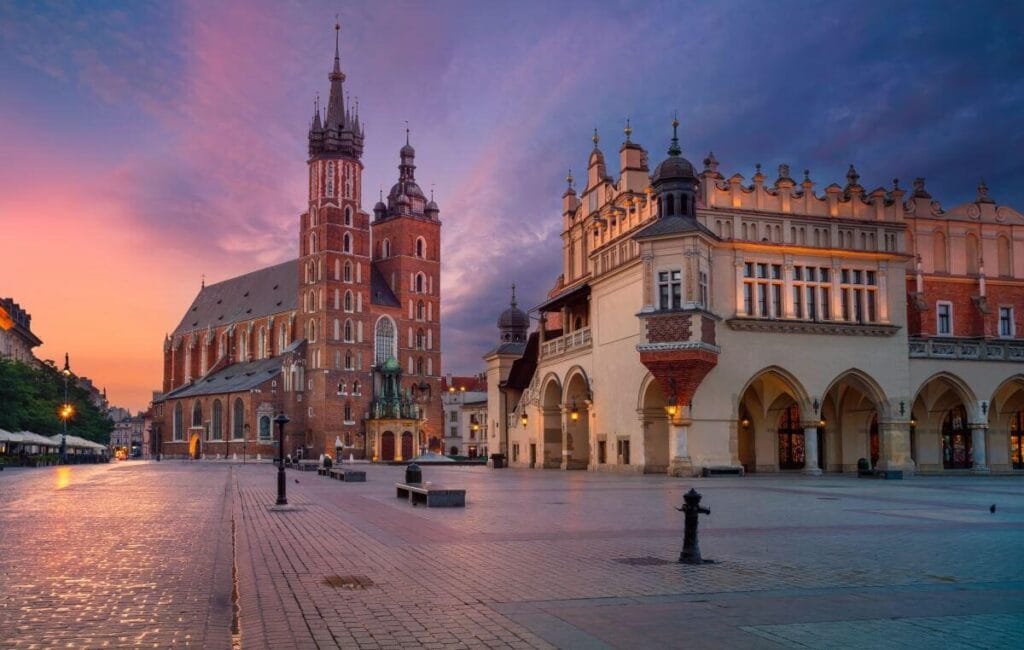
The best Poland historic cities combine strong architecture, walkable streets, cultural meaning, and old town atmosphere. Warsaw is a natural starting point because it brings together history, reconstruction, museums, and modern city life.
The Old Town, Royal Castle, market square, and river areas give visitors a strong introduction to the country. Krakow is one of Poland’s most impressive cultural destinations. Its main market square, Wawel Castle, churches, and Kazimierz district create a classic Central European feeling.
The city is especially suitable for travelers who enjoy historic streets and slow walking routes. Gdansk adds a different character with its Baltic location, port history, colorful facades, riverfront views, and old trading atmosphere.
It feels visually different from both Warsaw and Krakow. Wroclaw offers bridges, islands, lively squares, and a more youthful city mood. Torun is valuable for medieval streets and Gothic architecture. Longer routes can also include Poznan, Lublin, or Zamosc.
A balanced route through Poland historic cities can start with Warsaw, continue to Krakow, and finish with Gdansk, with extra stops added according to available time.
Poland Historic Cities In Different Seasons And The Best Time To Visit
The experience of visiting Poland historic cities changes throughout the year. Since many old towns are best explored on foot, season and weather can strongly affect comfort, crowd levels, prices, and photography conditions.
Spring is one of the most pleasant times for a cultural city trip. The weather becomes milder, parks and squares feel livelier, and walking through historic streets becomes easier. It is a good period for travelers who want atmosphere without the busiest summer crowds.
Summer offers long daylight hours and a more active city mood. Outdoor cafés, festivals, riverside walks, and extended sightseeing time can make the trip more energetic. However, popular cities such as Krakow, Warsaw, and Gdansk may become crowded.
Autumn is excellent for photography and cultural travel. Softer light, cooler air, and colorful trees create a more atmospheric setting for old towns, castles, and riverside views. Winter gives Poland a festive character with Christmas markets, lights, warm cafés, and snow covered rooftops.
The main challenge is shorter daylight, so daily routes should be more focused. For most travelers, spring and autumn are the most balanced seasons for exploring Poland historic cities.
Warsaw Krakow And Gdansk Route Ideas For A Rich Cultural Trip
Warsaw, Krakow, and Gdansk create a strong cultural route because each city shows a different side of Poland. Planning enough time for each stop helps the trip feel more meaningful instead of rushed.
Warsaw can be the first destination. Visitors can explore the Old Town, Royal Castle, museums, main squares, and Vistula river areas. The city is especially interesting because it combines historical memory with modern urban life.
Krakow offers a more traditional old town atmosphere. The main market square, St. Mary’s Basilica, Wawel Castle, and Kazimierz district can form the center of a walking based itinerary. Krakow also rewards slow exploration through cafés, courtyards, and side streets.
Gdansk brings a coastal and port city feeling to the route. Its old streets, riverfront, historic gates, colorful buildings, and maritime heritage create strong visual appeal. It works well as a final stop because it gives the journey a different mood.
This three city route makes Poland historic cities feel diverse, cultural, and memorable. Warsaw adds perspective, Krakow brings classic beauty, and Gdansk offers Baltic atmosphere.
Poland Historic Cities With Better Transport Accommodation And Daily Planning
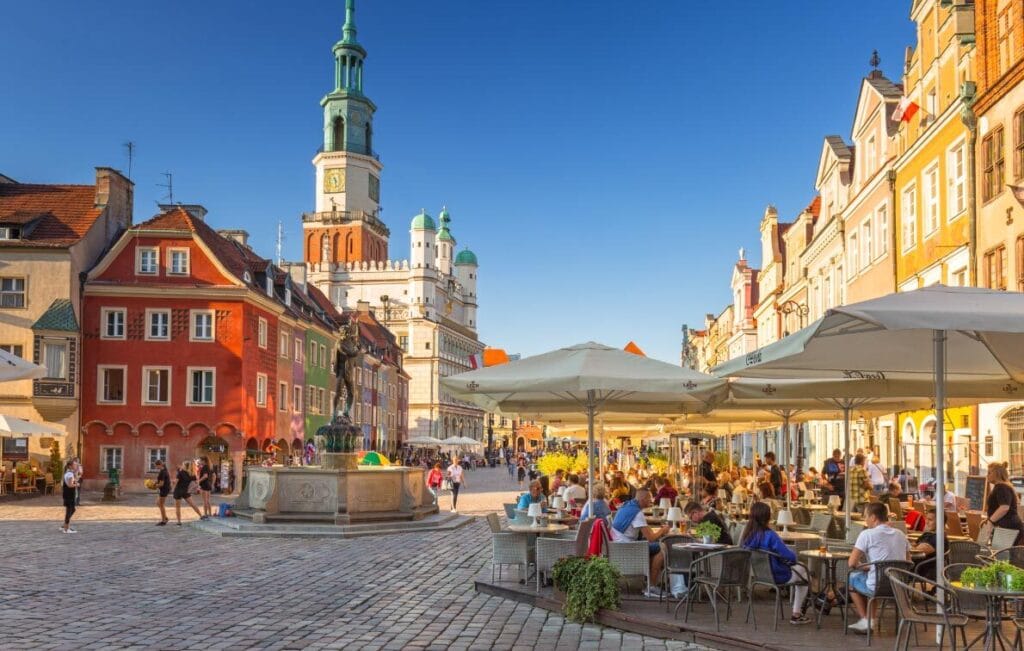
A successful Poland historic cities trip depends on realistic transport and accommodation planning. Major cities are generally connected by train and bus, so travelers can often build a strong route without renting a car.
Warsaw is usually a convenient starting point because of its transport connections. From there, travelers can continue to Krakow, Gdansk, Wroclaw, or other major cities depending on the route. Krakow is better experienced with more than a quick visit.
Its old town, castle area, museums, and nearby cultural attractions can easily fill several days. Gdansk also deserves a slower pace, especially for travelers who want to enjoy the riverfront, old streets, and evening atmosphere.
Accommodation near old town areas is usually practical because it allows visitors to walk to major sights and return easily during the day. However, staying slightly outside the most central streets can reduce costs while keeping the historic center accessible.
Daily planning should remain flexible. Major landmarks can be visited in the morning, while museums, neighborhood walks, local food, and photography can be planned for later in the day. A slower route usually creates a better experience than trying to visit too many cities in a short time.
Budget Local Food And Photo Stop Tips For A Better Travel Experience
A trip through Poland historic cities can suit different budgets with careful planning. Central accommodation in major cities may be more expensive, especially during busy seasons. Early booking, public transport, and flexible travel dates can help control costs.
Restaurants near the most tourist heavy squares may cost more. Walking a few streets away often leads to better value and a more local atmosphere. Small restaurants, bakeries, milk bars, and local cafés can make the food experience more authentic.
Polish food is an important part of the trip. Pierogi, bigos, soups, potato based dishes, roasted meats, pastries, and traditional desserts can all be included in a cultural food route. For photography, early morning and late afternoon usually provide the best light.
In Warsaw, the Old Town and river views offer strong photo opportunities. In Krakow, the market square and Wawel area are classic stops. In Gdansk, colorful buildings and waterfront scenes are especially photogenic.
Wroclaw’s bridges, Torun’s medieval streets, and Zamosc’s planned square can add variety to a photo focused itinerary. With smart planning, local food experiences, and enough time for slow exploration, Poland historic cities can offer a rich and memorable cultural travel route through Central Europe.
See you in the next post,
Anil UZUN