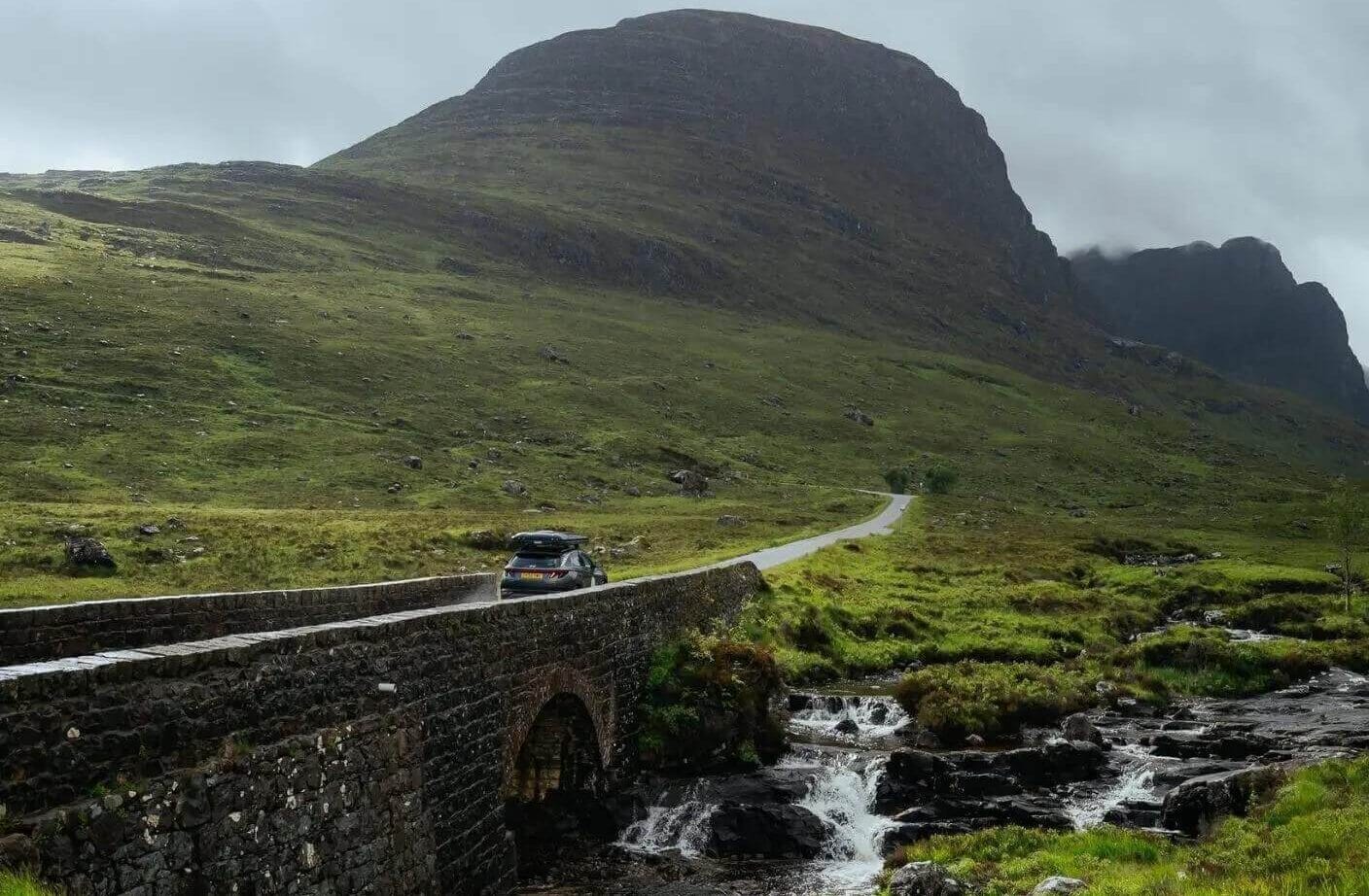

A Scotland road trip is one of the best ways to explore dramatic landscapes, quiet villages, mountain roads, and coastal scenery across the country. Scotland offers a travel experience where the journey itself becomes just as important as the destinations.
Long drives through valleys, lochs, cliffs, and historic towns create a unique atmosphere that attracts photographers, nature lovers, and adventure travelers from around the world. One of the biggest advantages of a Scotland road trip is flexibility.
Travelers can stop at scenic viewpoints, explore remote villages, or take short hiking breaks whenever they want. Unlike fast city based travel, road trips through Scotland encourage a slower and more immersive experience. The country also offers strong route variety.
Highlands roads provide mountain scenery and open landscapes, while Skye Island introduces dramatic coastlines and rugged terrain. Loch areas add peaceful reflections and classic Scottish views that make driving routes visually unforgettable.
Planning is important because driving times may become longer than expected. Narrow roads, weather conditions, and frequent photo stops can slow the journey considerably. Because of this, successful Scotland road trip planning requires balanced daily schedules and realistic travel expectations.
Weather also plays a major role. Scotland may experience rain, fog, sunshine, and wind within the same day. Proper clothing, flexible timing, and seasonal planning improve comfort significantly.
This guide explains the best regions for first time travelers, how to combine Highlands and Skye routes, important driving and accommodation tips, seasonal travel conditions, and the best scenic stops for a memorable Scotland road trip.
Scotland Road Trip For First Time Travelers Which Regions Should Come First?
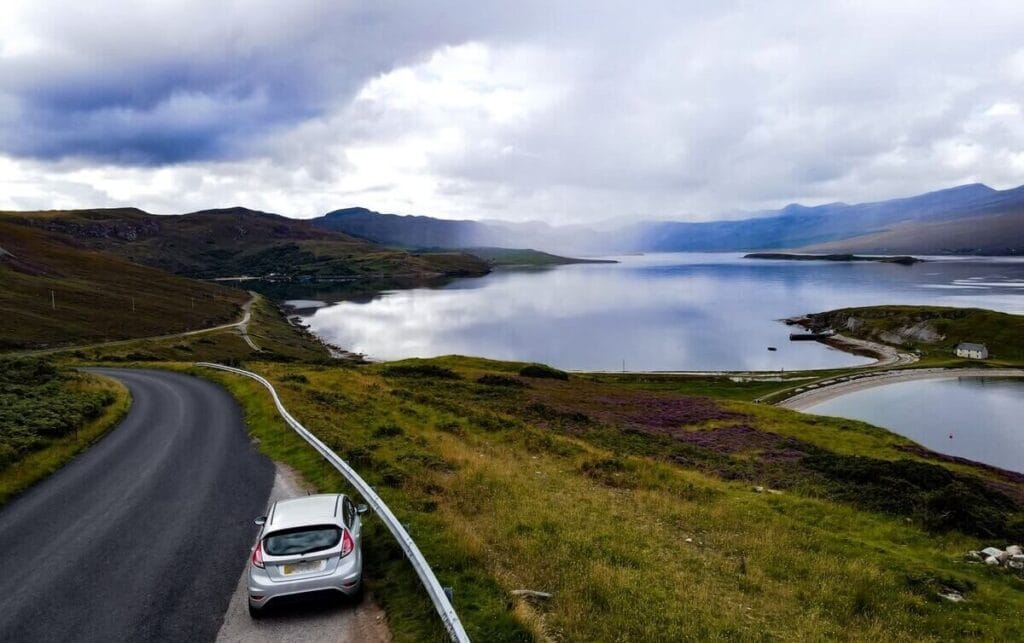
For first time visitors, choosing the right areas is essential when planning a Scotland road trip. Different regions offer very different landscapes and travel experiences. The Highlands are usually the first priority for most travelers.
Wide valleys, mountain roads, forests, and lochs create the classic Scottish scenery many people imagine before visiting the country. Long scenic drives through the Highlands are often the highlight of a Scotland road trip. Skye Island is another major destination.
The island is famous for dramatic cliffs, rocky coastlines, waterfalls, and mountain views. Although the roads may be slower and narrower, the scenery makes the extra travel time worthwhile. Loch regions also deserve attention.
Calm water reflections, misty mornings, and surrounding hills create peaceful driving experiences and excellent photography opportunities. Smaller historic towns provide a completely different atmosphere. Stone buildings, local cafes, and traditional architecture create a slower and more relaxed travel pace.
Coastal roads are also worth including in the route. Driving near cliffs and open ocean views adds more visual variety to the journey. Selecting balanced regions helps travelers experience the full diversity of a Scotland road trip without feeling rushed.
Scotland Road Trip Routes How To Combine Highlands Skye And Loch Views
A successful Scotland road trip route should combine different types of scenery while keeping driving times realistic and comfortable. The Highlands usually form the central part of the route because they connect many scenic roads and natural landmarks.
Long mountain drives and open valleys create a strong sense of freedom and exploration. Skye Island often requires at least one or two dedicated days because many scenic stops are spread across the island. Travelers who rush through Skye may miss some of its best viewpoints and coastal landscapes.
Because of this, balanced timing is important during a Scotland road trip. Loch regions fit naturally between mountain routes and island travel. Early mornings near the lochs often create calm reflections and misty scenery that photographers especially enjoy.
Many travelers combine driving with short hiking routes. This creates a more active experience instead of spending the entire trip inside the car. Daily route balance also matters. Some roads may appear short on maps but take longer due to narrow lanes, weather, or scenic traffic.
Planning fewer stops with more time at each location usually creates a better overall experience than trying to visit too many places quickly. Well organized routes help a Scotland road trip feel more relaxed, scenic, and enjoyable.
Car Hire Road Rules And Accommodation Choices For A Smoother Journey
Transportation planning is one of the most important parts of organizing a Scotland road trip. Understanding driving conditions and accommodation choices improves comfort significantly. Scotland drives on the left side of the road, which may require adjustment for some international visitors.
Narrow roads and single track sections are also common in rural areas. Smaller vehicles are often easier to handle on narrow countryside roads. Compact cars also make parking simpler in villages and scenic stops. Accommodation should be booked carefully, especially during busy travel seasons.
Popular Highlands and Skye areas may have limited availability. Because of this, early planning helps create a smoother Scotland road trip experience. Fuel planning is also important because some remote areas may have fewer gas stations than expected.
Parking can become difficult around major scenic locations during peak travel periods. Starting the day earlier often helps reduce traffic and parking stress. Travelers should also leave extra time for unexpected stops because scenic viewpoints appear frequently throughout Scotland.
Careful planning of transport and accommodation helps make a Scotland road trip much more comfortable and organized.
Scotland Road Trip In Different Seasons Weather Daylight And Travel Comfort
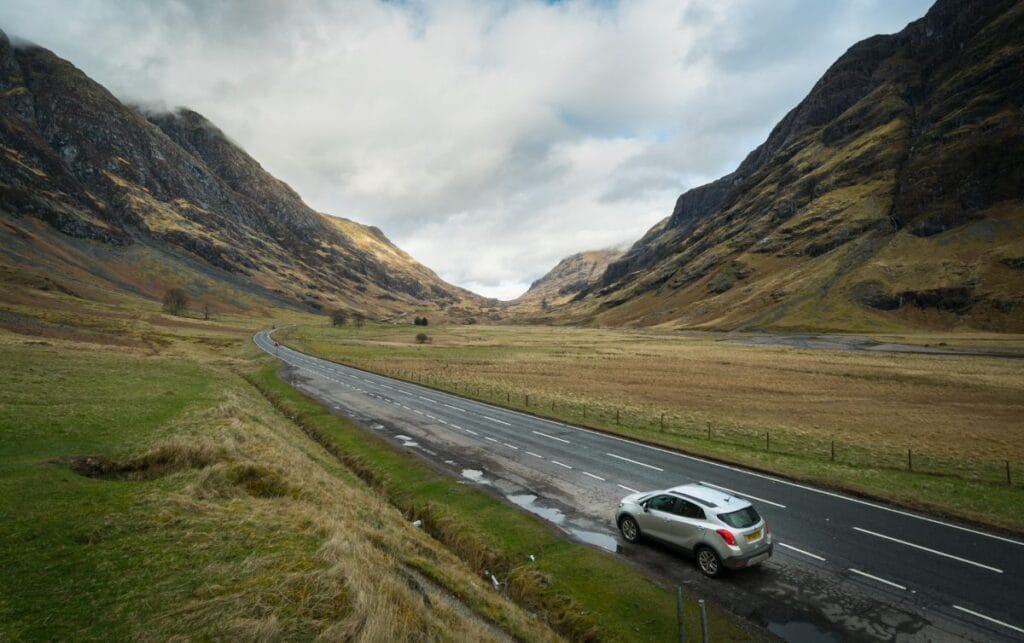
Seasonal timing strongly affects the experience of a Scotland road trip. Weather, daylight hours, and road conditions all change throughout the year. Summer is usually the most popular season because daylight lasts much longer.
Travelers can explore more locations during a single day, and outdoor conditions are generally easier. Autumn creates a completely different atmosphere. Forests and valleys become more colorful, making scenic drives especially photogenic.
Many photographers prefer autumn for a Scotland road trip because of the richer natural colors. Winter may offer dramatic snowy landscapes, but weather conditions can become more difficult. Fog, rain, and icy roads require slower driving and careful preparation.
Spring often feels quieter and less crowded compared to peak summer months. However, weather may still remain unpredictable. Layered clothing is extremely important because conditions can change quickly within a single day. Waterproof jackets and comfortable walking shoes are highly recommended.
Daylight planning also matters for photography and driving safety. Sunrise and sunset times should be checked before creating daily travel schedules. Choosing the right season makes a Scotland road trip much more comfortable and visually rewarding.
Photo Stops Small Towns And Local Experiences Worth Adding To Your Route
One of the best parts of a Scotland road trip is discovering smaller locations between major destinations. Scenic viewpoints, villages, and local experiences often become the most memorable parts of the journey. Photo stops are everywhere across Scotland.
Mountain passes, lochs, stone bridges, and coastal cliffs provide excellent opportunities for landscape photography. Early morning conditions are especially good for capturing fog, reflections, and softer natural light. Many travelers plan their photography stops around sunrise during a Scotland road trip.
Small towns create a more personal travel atmosphere. Traditional architecture, quiet streets, and local cafes help travelers experience Scottish culture beyond tourist areas. Short walking trails also add variety to road trips.
Even simple nature walks can reveal viewpoints that are impossible to see directly from the road. Local restaurants and markets may also improve the travel experience by introducing regional food and slower travel moments.
Flexible timing is useful because weather and lighting can completely change how locations appear throughout the day. Adding balanced photo stops and local experiences makes a Scotland road trip feel more authentic, scenic, and memorable.
See you in the next post,
Anil UZUN