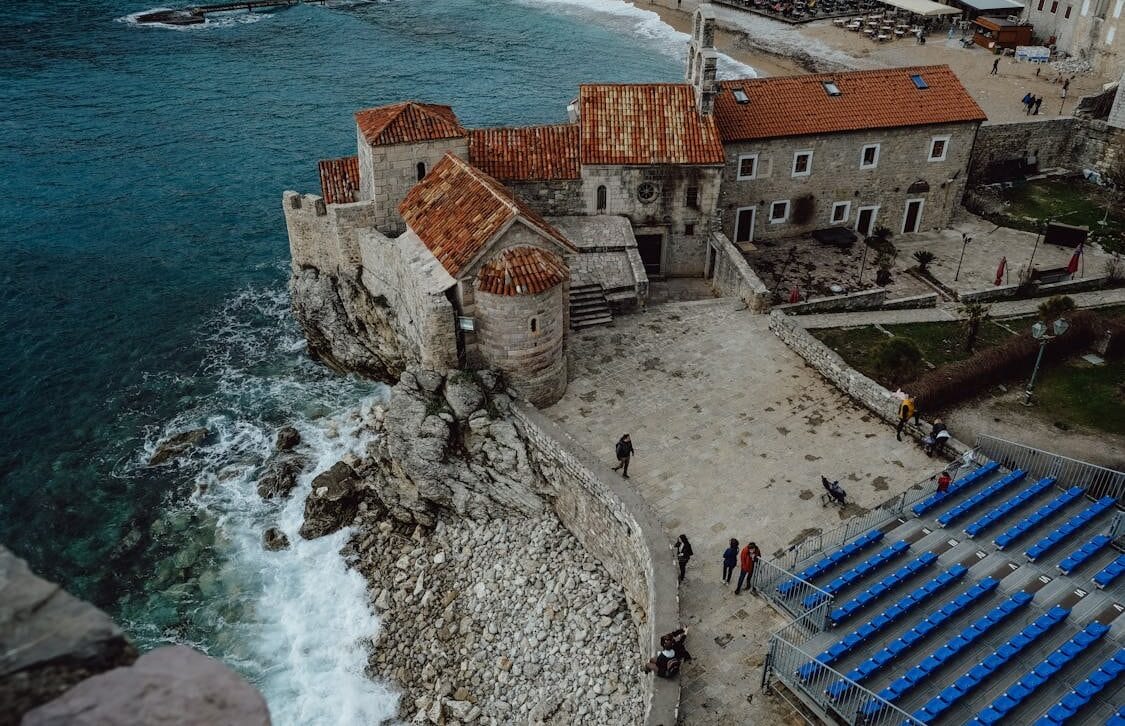

Europe coastal towns offer a slower, more personal travel experience compared to busy cities. These destinations are known for their scenic views, charming streets, and relaxed atmosphere.
Travelers who want to enjoy peaceful seaside walks, quiet harbors, and local culture often choose Europe coastal towns as part of their itinerary. One of the biggest advantages of these towns is their diversity.
Some are built along dramatic cliffs with ocean views, while others sit beside calm beaches with soft sand and clear water. Each location offers a unique character, making it possible to design a varied and memorable route across different regions.
A well planned Europe coastal towns trip can include nature, culture, food, and relaxation all in one journey. Another key benefit is the pace of life. Unlike major cities, coastal towns allow you to slow down and enjoy small moments.
Morning walks, local cafés, and sunset views become part of the daily routine. This makes the experience feel more authentic and less rushed. However, to get the most out of a trip like this, careful planning is needed.
Choosing the right locations, seasons, and travel style can significantly improve your experience. In this guide, you will explore how to choose the best towns, when to travel, how to plan transport, what to expect from local experiences, and how to manage budget and crowds when visiting Europe coastal towns.
Europe Coastal Towns That Offer Quiet Views And Local Charm
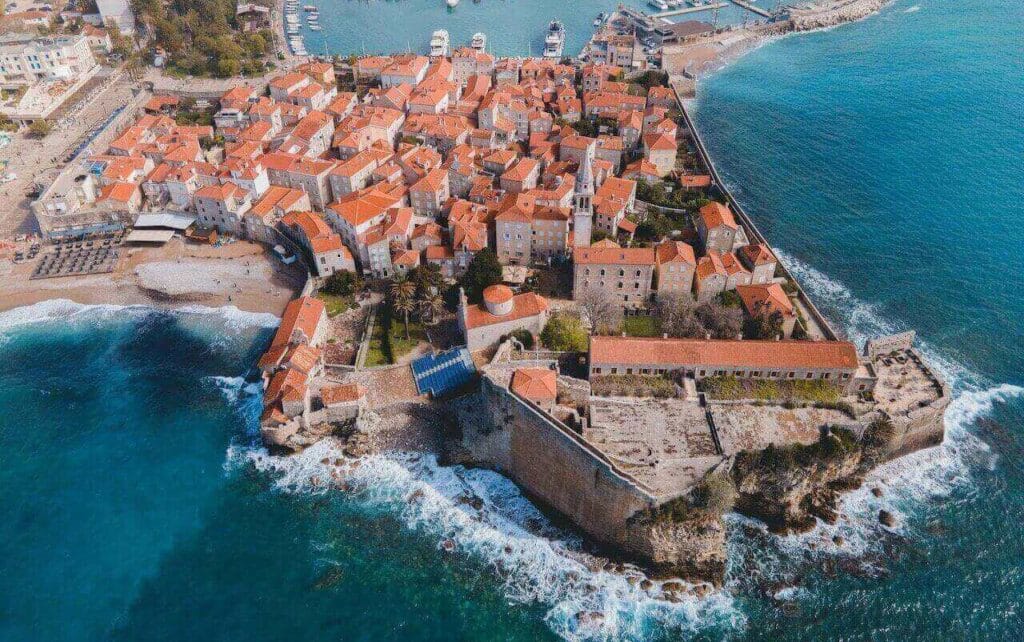
When planning a trip to Europe coastal towns, selecting the right locations is essential. While many coastal destinations are popular, not all of them provide a quiet and relaxing experience. Smaller towns away from major tourist hubs often offer more charm.
These places tend to have fewer crowds, allowing you to enjoy the scenery without distractions. Walking through narrow streets, visiting small harbors, and interacting with locals becomes much easier in these environments.
Some coastal areas are known for their calm atmosphere rather than nightlife or busy beaches. These destinations focus more on nature, traditional architecture, and slow living. Choosing these types of Europe coastal towns can create a more peaceful travel experience.
It is also helpful to explore regions beyond the most famous routes. Secondary towns near popular destinations often provide similar views with fewer visitors. This approach allows you to experience authentic coastal life.
Local charm comes from small details. Traditional houses, family owned cafés, and quiet waterfront paths all contribute to the overall atmosphere. These elements make Europe coastal towns unique and memorable.
Europe Coastal Towns For Choosing The Best Season And Travel Pace
Timing plays a major role when visiting Europe coastal towns. The season you choose will affect weather, crowd levels, and overall comfort. Summer is the most popular season. It offers warm weather and ideal beach conditions. However, it also brings larger crowds and higher prices.
If you prefer a more relaxed experience, consider traveling outside peak months. Spring and early autumn are often the best times to visit. The weather is still pleasant, but the number of tourists is lower. This allows you to explore Europe coastal towns at a slower and more enjoyable pace.
Travel pace is equally important. Trying to visit too many towns in a short time can make the trip feel rushed. Instead, spending more time in fewer locations allows for deeper exploration and relaxation. Weather conditions can also vary by region.
Northern coastal towns may be cooler, while southern areas remain warm for longer periods. Understanding these differences helps you plan better. Choosing the right season and pacing your trip properly will make your Europe coastal towns journey much more enjoyable.
How To Plan Transport And Accommodation For A Smooth Coastal Trip
Planning transport is a key part of any Europe coastal towns trip. Many of these towns are located in areas where public transport may be limited. Renting a car is often the most flexible option. It allows you to explore multiple towns at your own pace and reach locations that are not easily accessible by train or bus.
This is especially useful when visiting remote Europe coastal towns. Public transport can still be a good option in certain regions. Trains and buses connect many coastal areas, but schedules may be less frequent. Careful planning is required to avoid delays.
Accommodation choice also affects your experience. Staying close to the coast or town center makes it easier to explore on foot. This reduces travel time and adds convenience to your daily plans. Booking in advance is recommended, especially during busy seasons.
This ensures better prices and more options. For a smoother trip, always align your accommodation with your transport plan. A well organized approach to transport and lodging improves the overall quality of your Europe coastal towns journey.
Europe Coastal Towns With Beaches Food Spots And Scenic Walking Routes
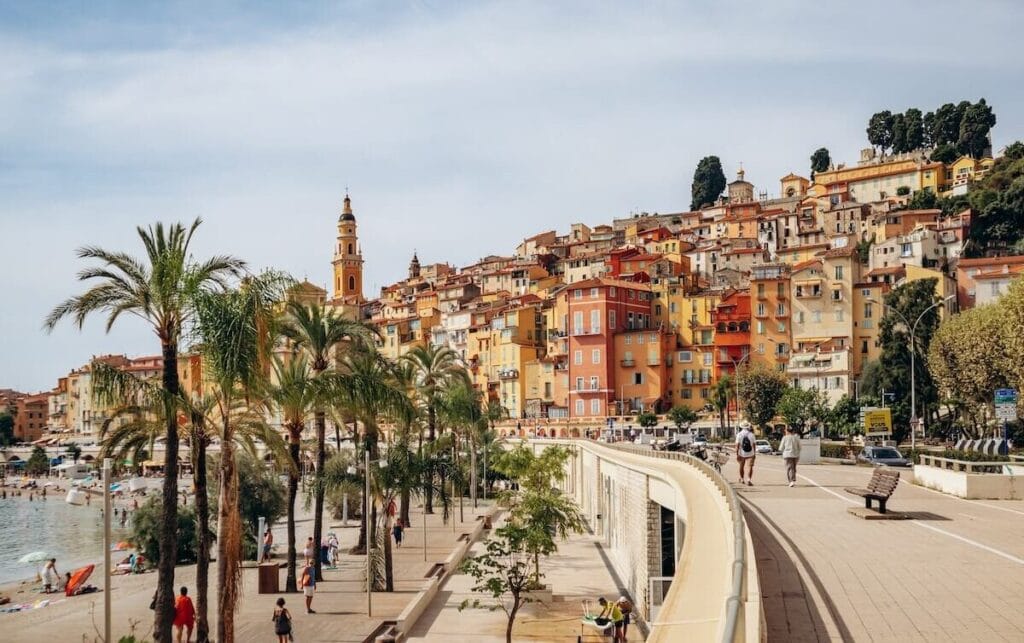
One of the highlights of visiting Europe coastal towns is the variety of experiences they offer. From beaches to local cuisine, each town provides something unique. Beaches are often the main attraction. Some towns offer sandy shores, while others feature rocky coastlines with dramatic views.
Choosing the right type of beach depends on your preferences. Food is another important part of the experience. Coastal towns are known for fresh seafood and regional dishes. Eating at local restaurants allows you to enjoy authentic flavors.
This adds depth to your Europe coastal towns trip. Walking routes are also a key feature. Coastal paths, cliffside trails, and harbor walks provide stunning views and peaceful moments. These routes are perfect for exploring the area without rushing.
Combining these elements creates a balanced travel experience. You can relax at the beach, enjoy local meals, and explore scenic routes all in one day. This variety is what makes Europe coastal towns such appealing travel destinations.
Budget Crowds And Photo Stops How To Compare Small Seaside Destinations
Managing budget and expectations is important when visiting Europe coastal towns. Different regions can vary significantly in cost. Some coastal areas are known for higher prices, especially during peak season.
Choosing less popular destinations can help reduce expenses while still offering great views and experiences. Crowd levels should also be considered. Visiting early in the morning or during off peak seasons allows you to enjoy locations without large groups of tourists.
This improves both comfort and photography opportunities. Photo stops are an important part of any coastal trip. Harbors, viewpoints, and narrow streets often provide the best scenes. Planning these stops in advance helps you make the most of your time in Europe coastal towns.
Comparing destinations based on cost, crowd level, and visual appeal helps create a more balanced itinerary. This ensures that your trip is both enjoyable and efficient. With the right planning, exploring Europe coastal towns becomes a rewarding and memorable experience.
See you in the next post,
Anil UZUN