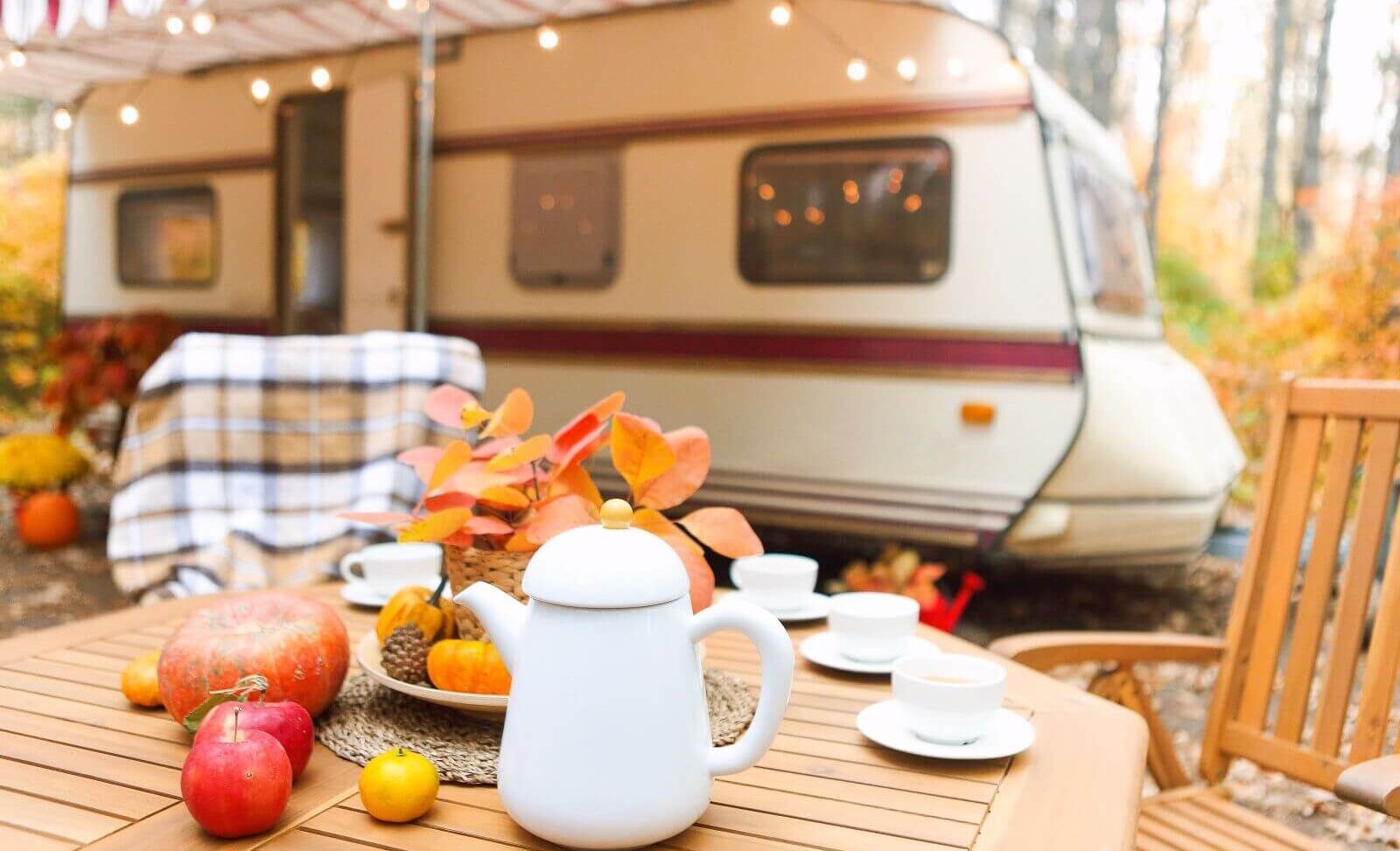

Campervan travel has become increasingly popular among travelers who want more freedom, flexibility, and adventure during their journeys.
Unlike traditional vacations that depend on hotels and fixed itineraries, traveling with a campervan allows people to move at their own pace and explore destinations in a more personal way.
Because of this flexibility, Campervan travel offers a unique blend of transportation, accommodation, and exploration all in one experience. Many travelers are drawn to the sense of independence that comes with life on the road.
With a campervan, your accommodation travels with you, allowing you to stop in scenic locations, national parks, coastal roads, or quiet countryside areas whenever you choose. This freedom is one of the biggest reasons why Campervan travel has grown in popularity across many countries.
For beginners, however, the idea of living and traveling in a vehicle can feel unfamiliar at first. Planning routes, managing supplies, and organizing daily routines all require a bit of preparation. Learning the basics before starting your trip helps make Campervan travel smoother and more enjoyable.
Another reason people love campervan journeys is the opportunity to connect more deeply with nature. Instead of staying in crowded resorts, travelers often wake up beside lakes, forests, mountains, or beaches. This type of experience transforms travel into something more immersive and memorable.
With the right preparation and mindset, Campervan travel can become one of the most rewarding ways to explore the world. Whether you are planning a short weekend trip or a long road adventure, understanding the fundamentals will help you make the most of the experience.
What Campervan Travel Means: The Basics Every Beginner Should Understand
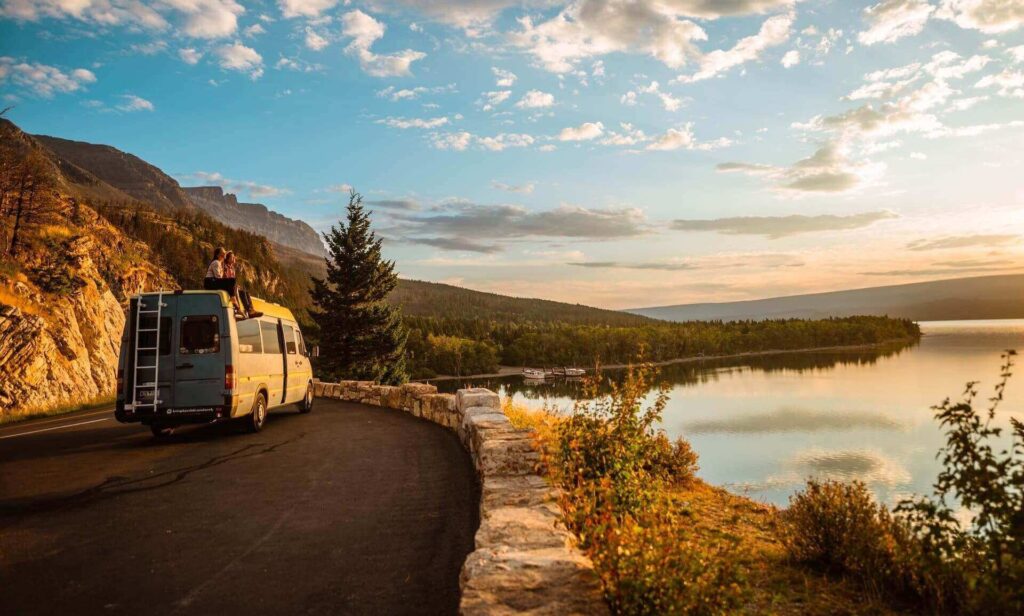
To fully enjoy the experience, it is important to understand what Campervan travel actually involves. At its core, this type of journey combines transportation and accommodation into one vehicle. Campervans typically include sleeping areas, small kitchens, storage compartments, and sometimes bathroom facilities.
This setup allows travelers to move freely between destinations without needing to book hotels or constantly pack and unpack luggage. The flexibility of Campervan travel makes it especially appealing for people who enjoy spontaneous exploration and road trips.
However, traveling with a campervan also requires some practical planning. Unlike traditional travel, where services are readily available in hotels, campervan travelers must manage their own resources. This includes water usage, electricity consumption, food preparation, and waste disposal.
Another important aspect of Campervan travel is understanding local regulations. Different regions may have rules regarding overnight parking, camping areas, and vehicle restrictions. Researching these rules before your trip helps avoid unnecessary complications during the journey.
Beginners should also think about daily routines. Simple tasks such as preparing meals, organizing storage, and planning driving distances become part of everyday life. With practice, these routines become second nature and make Campervan travel feel comfortable and efficient.
Understanding these basic concepts helps new travelers approach their first campervan journey with confidence and realistic expectations.
How To Choose The Right Vehicle And Essential Gear For Campervan Travel
Choosing the right vehicle is one of the most important decisions when planning Campervan travel. Different types of campervans offer different levels of comfort, space, and mobility, so selecting the right one depends on your travel style and needs.
Some campervans are compact and easy to drive, making them ideal for beginners or couples who want a simple travel setup. Larger campervans may include additional amenities such as bathrooms, larger kitchens, and more storage space.
While these vehicles provide more comfort, they can be more challenging to drive in narrow roads or urban environments. When preparing for Campervan travel, essential gear also plays an important role.
Basic equipment such as camping chairs, foldable tables, cooking tools, and portable lighting can greatly improve daily comfort. Energy systems are another key consideration. Many campervans use batteries or solar panels to power lights, refrigerators, and electronic devices.
These systems help maintain independence during long journeys. Navigation tools and travel apps can also be extremely useful during Campervan travel. Maps, campsite directories, and route planning tools help travelers find safe places to park, refuel, or rest.
Selecting the right vehicle and preparing proper equipment helps ensure that campervan trips remain practical and comfortable throughout the journey.
Route And Stay Planning: Campsites, Parking Rules, And Daily Essentials
Planning routes and overnight stays is an essential part of successful Campervan travel. While spontaneity is one of the joys of traveling by campervan, having a general route plan helps avoid unnecessary stress.
Campsites are one of the most common places for campervan travelers to stay overnight. Many campsites offer facilities such as electricity connections, water refill stations, showers, and waste disposal services. These locations make Campervan travel more comfortable, especially during longer trips.
In addition to campsites, some regions allow overnight parking in designated areas. These locations are often called motorhome stops or camper parking areas. However, it is important to check local rules before parking overnight.
Route planning should also include practical stops such as fuel stations, supermarkets, and rest areas. These stops ensure that travelers have access to food supplies, water, and necessary services during their trip.
Daily driving distances should also be considered. Long hours behind the wheel can reduce the enjoyment of the journey. A balanced travel schedule helps maintain the relaxed pace that makes Campervan travel enjoyable.
With thoughtful planning, travelers can maintain flexibility while still ensuring that essential needs are met along the route.
Managing Water, Power, And Storage During A Campervan Trip
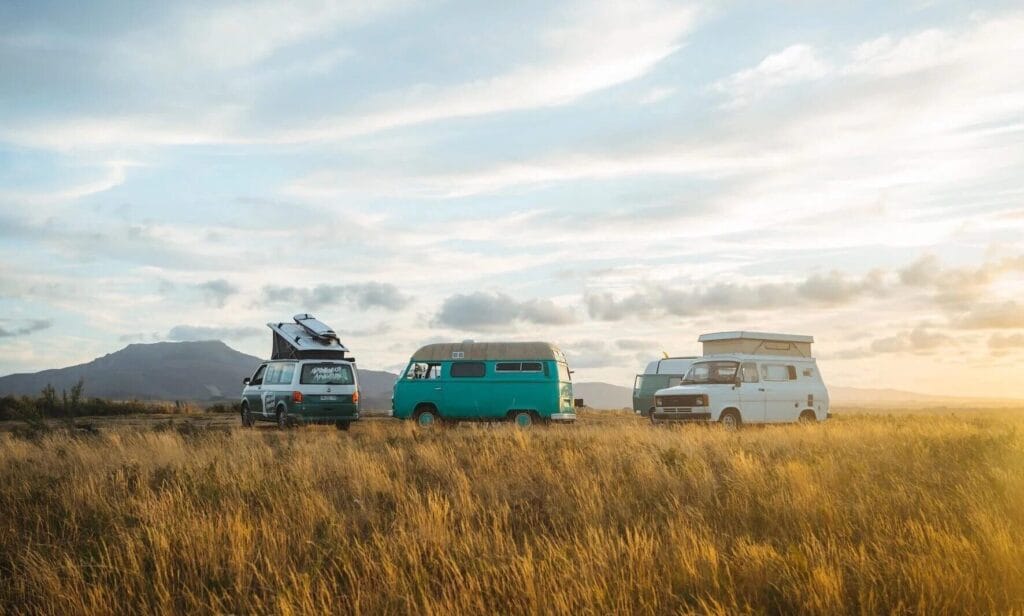
Resource management is one of the key skills required for successful Campervan travel. Because campervans have limited storage and utility capacity, travelers must use water, electricity, and space carefully.
Water is usually stored in onboard tanks. This water is used for drinking, cooking, washing dishes, and sometimes showering. Monitoring water usage helps ensure that supplies last until the next refill station.
Electricity is typically supplied through batteries or solar panels. Efficient energy use becomes important when powering lights, refrigerators, or electronic devices. During Campervan travel, conserving energy can extend the time between recharging opportunities.
Storage organization also plays an important role. Campervans have limited space, so packing only essential items helps keep the living area comfortable and functional. Many experienced travelers adopt a minimalist approach. Carrying fewer belongings reduces clutter and makes daily routines easier to manage.
This approach also aligns well with the flexible lifestyle of Campervan travel. With thoughtful organization and careful resource management, campervan journeys can remain comfortable even during long road trips.
Campervan Travel Tips For Safety, Budgeting, And Common Beginner Mistakes
Safety should always be a priority during Campervan travel. Before starting any journey, travelers should ensure that the vehicle is properly maintained. Checking tire pressure, brakes, engine condition, and fluid levels helps prevent mechanical issues during the trip.
Emergency equipment is also important. Items such as first aid kits, flashlights, spare tools, and roadside assistance contacts provide extra security when traveling long distances. Budget planning is another important part of Campervan travel.
While traveling by campervan can reduce accommodation costs, other expenses still exist. Fuel, campsite fees, food supplies, and maintenance costs should all be considered. Many beginners also make common mistakes when starting their first campervan journey. One common mistake is overpacking.
Bringing too many items can quickly reduce the available living space inside the vehicle. Another mistake is underestimating travel time. Driving a campervan often requires slower speeds than driving a regular car, especially on narrow or mountainous roads.
By preparing carefully and learning from experienced travelers, beginners can avoid these mistakes and enjoy smoother adventures. With the right mindset and preparation, Campervan travel can become one of the most rewarding ways to explore new places.
See you in the next post,
Anil UZUN